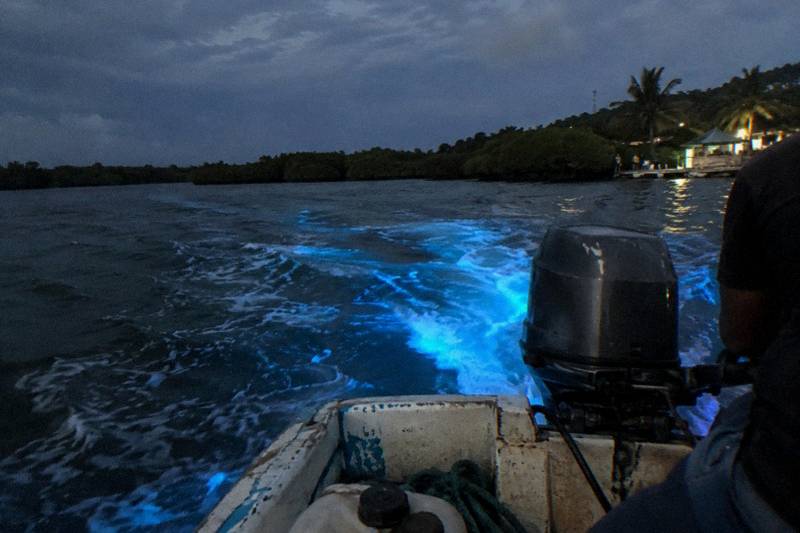
Is The Luminous Lagoon Safe? Sharks, Insects And Night Boats
Shark rumours, crocodile whispers, mosquitoes and boats that leave after sunset: the safety questions around the Luminous Lagoon are mostly about what is actually in the water at night, and the honest answers come from the operator, the listings and guest reports rather than from rumour.
Short answer
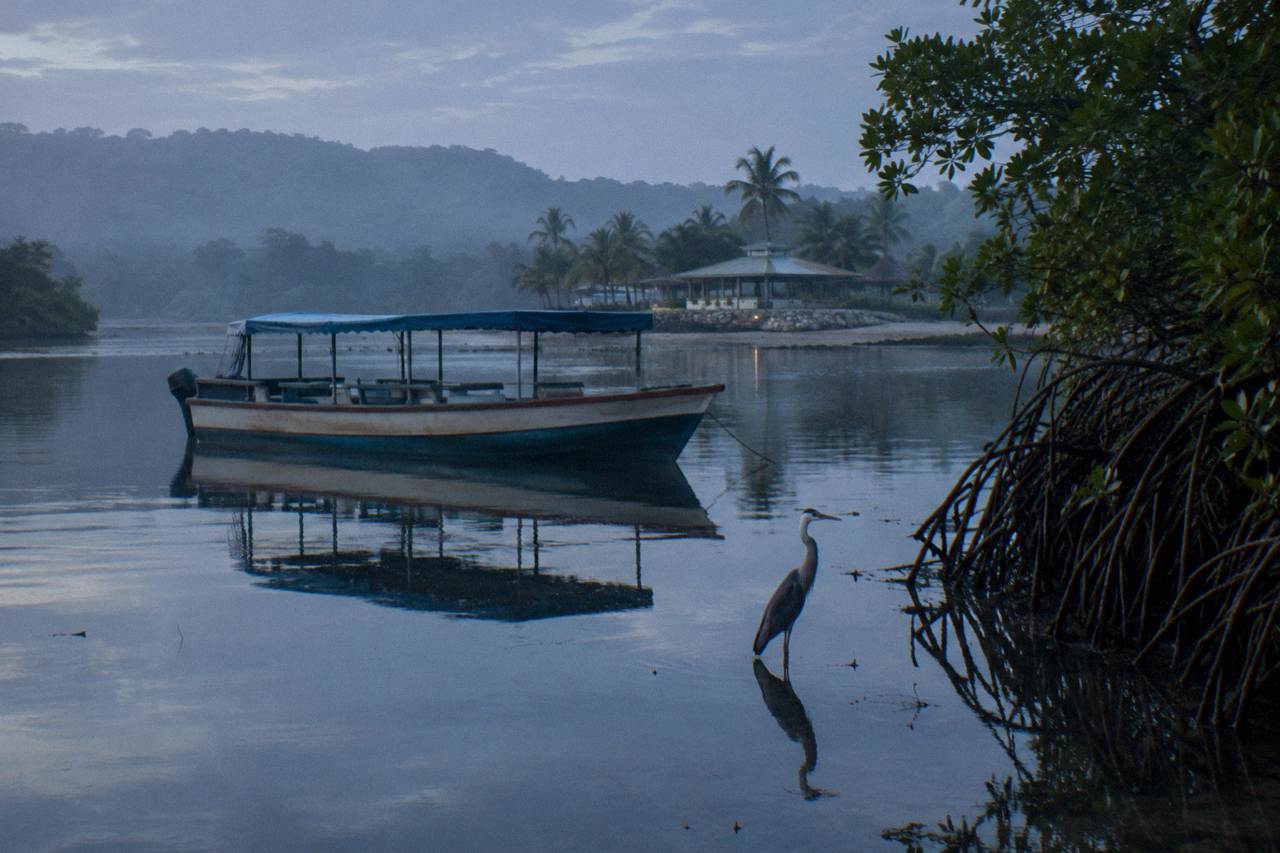
No sharks have been reported in recent visitor accounts at the Luminous Lagoon, and the operator reports a shallow lagoon of about 3 to 8 feet where swimming is part of the standard tour. Life jackets are listed by name on two tours, boats carry up to 30 guests, and mosquitoes, not marine life, are the nightly nuisance most reviews mention.
Rumours travel faster than boats on Jamaica's north coast. Somewhere between a moonlit Instagram clip and a cousin's cruise story, the Luminous Lagoon at Falmouth picked up a reputation for sharks, crocodiles and midnight danger, and the search bars of the world took note. This page takes the safety questions one at a time and answers each from what the operator, Glistening Waters Marina, actually publishes, plus what the tour listings state and what guests report after the fact. Nothing here is a verdict; it is the recorded record, plainly laid out. If it is the swim itself you are weighing, the rundown on swimming safely in the Luminous Lagoon follows the water from depth to darkness, using the same published record.
The basics first. The lagoon sits where the Martha Brae River meets the Caribbean Sea along the marshland between the fishing community of Rock and the town of Falmouth, in Trelawny. Nightly boat tours leave from Glistening Waters Marina at sunset, the standard tour runs roughly 45 to 60 minutes on the water, and swimming is part of the tour, with the operator telling guests to bring swimwear and a towel. The glow itself comes from dinoflagellates, microscopic organisms that flash blue-green when the water around them is disturbed. None of that involves teeth, and the sections below deal with the animals, the bugs, the boats and the practical questions in turn. If you're curious what that dip in glowing water actually involves, the guide to swimming in the Luminous Lagoon covers the depth, what to wear, and which trips include the swim.
The most reviewed trip on the site, the Mesmerizing Luminous Lagoon (Glistening Waters) Night Tour from $100 per person, rated 4.5 from 101 reviews, is a useful reference point throughout: it is a one-hour listing with hotel pickup and drop-off from Montego Bay hotels, free cancellation listed, and up to 25 guests per departure. Cheaper and longer options exist, including a $61.57 transfer-inclusive listing and a $79 dark-night tour from Ocho Rios, and the differences matter more for safety comfort than most buyers expect.
Are There Sharks In The Luminous Lagoon?
No sharks have been reported in recent visitor accounts from the Luminous Lagoon, and the estuary's conditions are the reason guides give for that. The water is shallow, brackish and warm where the Martha Brae River meets the sea, an environment that suits dinoflagellates and small fish rather than large predators. No shark sighting, let alone an incident, appears in the operator's material or the guest record.
The shark question is the single most searched safety query about this lagoon, and the honest answer is an absence: an absence of reports. Recent visitor accounts from the lagoon describe no sharks, and the operator's own tour pages, which have every incentive to manage expectations, describe the marine life as the glow itself plus the small fish that the boat lights attract. What guests actually mention in reviews is the mud between their toes, the warmth of the water and the brightness of the glow, in that order of surprise.
Why an absence is a reasonable answer rather than a dodge: the lagoon is an estuary, a mixing zone. Fresh river water from the Martha Brae meets salt water from the Caribbean along the marshland, and the dinoflagellates behind the glow thrive precisely because of that mix. Large predatory sharks hunt in deeper, saltier water with room to manoeuvre, not in a shallow, warm, brackish basin where the operator reports depths of about 3 to 8 feet. Occasional jellyfish sightings are possible, per recent visitor accounts, but jellyfish are a nuisance, not a menace, and no listing flags them as a recurring problem.
It helps to compare like with like. Here is the animal-life record as the sources actually state it.
| Claim circulating | What the record states |
|---|---|
| Sharks in the lagoon | No sharks reported in recent visitor accounts |
| Crocodiles in the estuary | May occasionally enter the estuarine zone; not a noted swimming hazard in tour descriptions |
| Jellyfish | Occasional sightings possible |
| What actually bothers guests | Mosquitoes at night, not marine life |
If the fear of a shark is what has kept you from booking, the practical takeaway is simpler than the biology: every one of the roughly thirty lagoon listings sold here, from the $55 Big Deal Tours private option to the $320 Falmouth yacht cruise, operates on the same shallow water, and none carries a shark warning, a wildlife advisory or an animal-related exclusion in its terms. Operators write warnings when warnings exist. The Glistening Waters operator's tour page lists what to bring and what to expect, and teeth are not on the list.
What About Crocodiles And Jellyfish In The Lagoon?
American crocodiles may occasionally enter the estuarine zone where the lagoon sits, but they are not a noted swimming hazard in any tour description, and no listing carries a crocodile warning. Jellyfish sightings are described as occasional and possible rather than routine. Neither animal appears in the operator's guidance, which focuses on swimwear, towels and dark skies instead.
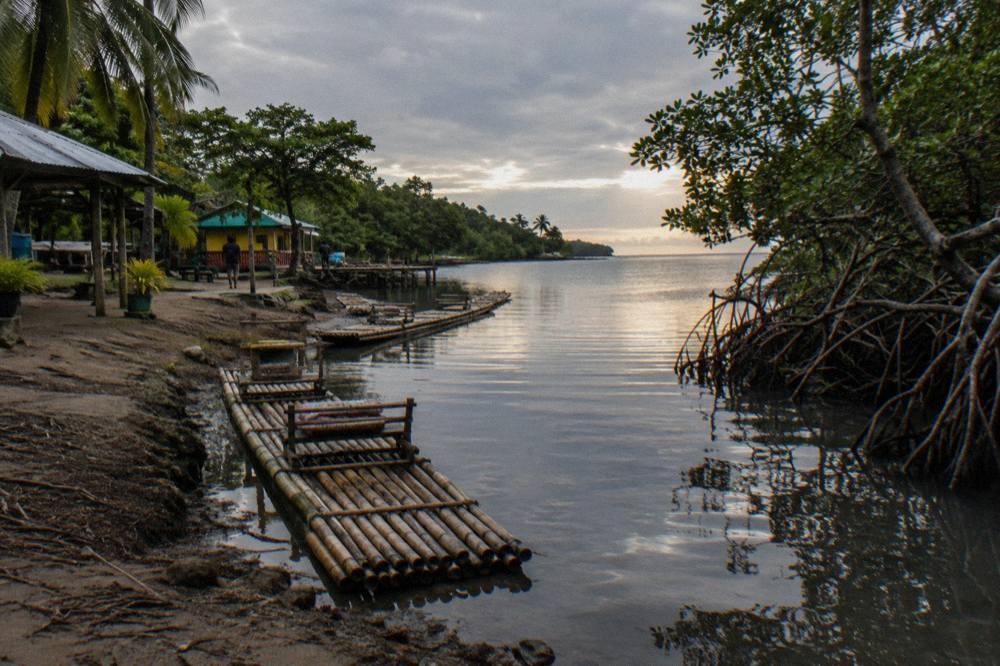
Crocodiles do live in Jamaica's wetlands, and the brackish marsh between Rock and Falmouth is the kind of place they can pass through. The distinction that matters is between presence and risk: a conservation-focused write-up of the Glistening Waters area notes that crocodiles may occasionally enter the estuarine zone, and in the same breath notes that they are not a swimming hazard in tour descriptions. The nightly boats have run from the same marina for years, carrying up to 30 guests each across a fleet of four boats, and the tour's stated concerns are practical ones: no flash photography, phones dark on the water, swimwear and a towel.
Jellyfish deserve one honest sentence rather than a paragraph. Recent visitor accounts describe occasional sightings as possible, which is true of nearly any warm Caribbean water, and no listing excludes the swim stop because of them. If you are the kind of traveller who wants a backup plan for every wildlife footnote, pick a listing that keeps you on the boat: several listings flag swimming as optional, and the swim is always a choice, not a condition of the ticket. The Jamaica: Bioluminescent Lagoon Boat Cruise with Transfers, from $69 per person and rated 3.9 from 89 reviews, lists swimming as an option, and so does the $61.57 From Montego Bay: Luminous Lagoon Boat Tour with Transfer, rated 3.8 from 16 reviews.
A step up in price sits the Luminous lagoon Dark Night Tour from Ocho Rios and Runaway Bay Hotels, from $79 per person and rated 4.5 from 75 reviews, which caps departures at 15 guests, among the smallest stated head-counts on the shared listings. Fewer people on the boat means more rail space, more room at the swim stop and a guide with fewer names to remember, which is its own kind of comfort on a dark lagoon.
For swimmers who want the full picture before deciding, the dedicated can you swim in the lagoon guide walks through the swim stop in detail and doubles as the companion piece for the animal questions. The crocodile line, in plain terms: the marsh is wilder than a swimming pool, the record shows no tour-description hazard, and the choice to swim or stay aboard stays yours on every listing.
Is The Night Boat Ride Itself Safe?
The night boats are a regular, licensed-looking operation: a fleet of four vessels from Glistening Waters Marina, up to 30 guests per boat, roughly 45 to 60 minutes on the water, departing at sunset. Life jackets are available on tours, two listings include them by name, and the operator's stated rules, no flash and screens dark, exist to protect visibility rather than to manage danger.
The mechanics of the trip are unglamorous, which is reassuring. Boats leave the marina at sunset, motor a short way into the lagoon, stop for the glow and the optional swim, and return. Typical start times run around 6:30 PM in winter and 7:15 PM in summer, per operator-adjacent scheduling, and the on-water portion is commonly described as 35 to 45 minutes, with the operator's own page saying up to about an hour. There is no open-sea crossing, no high-speed run and no night navigation beyond the lagoon's sheltered water; the marina sits on the A1 main highway at Rock, a short drive from central Falmouth.
Equipment is listed where it exists, and this site's policy is to print only what a listing actually states. The $61.57 From Montego Bay transfer tour lists life jackets and a skipper among its inclusions. The Luminous Lagoon Experience listing from Ocho Rios, Runaway Bay and Falmouth, from $81 per person, includes the boat ride and round-trip transport by name. Life jackets are described as available on tours generally in recent guidance. Where a listing does not mention jackets, the question belongs on the booking page before you pay, and the free cancellation listed on every listing here means a slow or vague answer costs you nothing but time.
One operational note that genuinely affects comfort: the glow is brightest on dark, moonless nights, and the same darkness that helps the glow makes the marsh quiet and close. Guests who expect a floodlit marina are sometimes surprised; the phone-screen rule exists because ambient light washes out the blue-green emission. The moon phase guide covers picking a dark night, and the best time to go guide adds the seasonal picture, including why the dry season from December to April is often described as the brightest stretch.
Two access points worth knowing. Most listings say they are not wheelchair accessible, though the Explore Montego Bay night tour lists wheelchair-accessible transport and surfaces, so travellers with mobility limits should check the marina and listing details directly. And for cruise passengers the arithmetic is unforgiving: scheduled Falmouth calls on the published timetables mostly depart between 15:00 and 16:45, before dark, so a night lagoon boat does not fit a normal call; the Falmouth cruise excursion guide covers what does.
How Deep Is The Water Where You Swim?
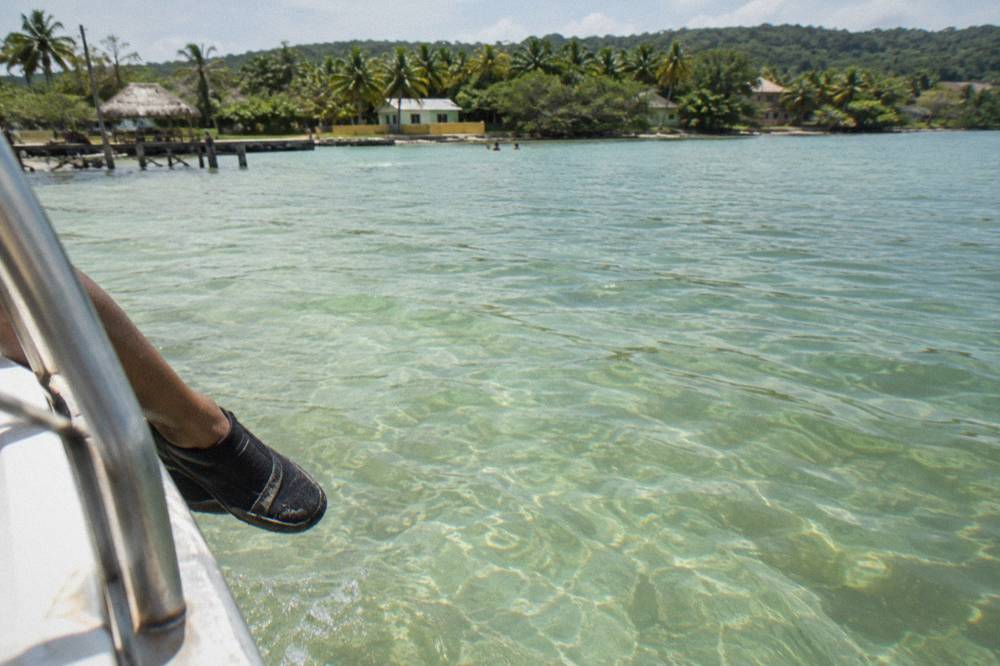
The operator reports the lagoon as about 3 to 8 feet deep, "or more" in spots, and a tourist-board-linked source gives about 3 to 4 feet with 8 feet at the deepest. It is shallow, warm water over a soft floor, and the swim stop happens where guests can stand. The listing record describes the swim as optional on every tour that offers it.
Depth is where the sources agree in spirit if not to the inch. The operator's scientific information page says 3 to 8 feet, or more; a Jamaica tourist-board-linked site says about 3 to 4 feet, reaching 8 at the deepest. Print both and you have the honest range: waist-to-chest water for most adults, with a deeper channel somewhere. Nobody is swimming over their head at the stop, and guests regularly report standing on the soft floor while fish swirl glowing trails around them.
The floor is the part reviews actually complain about. It is soft, muddy and mushy in places, and recent guidance recommends water shoes or rubber-soled waterproof footwear for exactly that reason. The same guidance recommends a dark swimsuit, because the brackish water can stain lighter colours, and the operator's own instruction is the simplest of all: bring swimwear and a towel, and changing rooms are available at the marina.

For the full swim-stop walkthrough, including what listings state about swimming on each departure, see the swimming guide; the depth figures above are the operator and tourist-board numbers, and this page does not go beyond them. The one honest caveat that belongs here: the glow's intensity has nothing to do with depth and everything to do with darkness, and the organisms behind it, Pyrodinium bahamense, measured as high as 200,000 cells per litre in a 1966 study of the bay, flash when disturbed. Disturbance is you, moving.
Are The Mosquitoes Bad At The Luminous Lagoon?
Mosquitoes are present at night in the marsh environment and insect repellent is recommended in recent visitor guidance, so the bugs, not the wildlife, are the realistic nightly nuisance. The practical advice is to apply repellent before the tour, and the only refinement is timing it away from the swim stop. Beyond mosquitoes, no biting-insect problem appears in the record.
Here is the animal most likely to actually affect your evening: a mosquito. The lagoon is a marsh on a river mouth in the tropics, the tour runs after sunset, and recent guidance from multiple Jamaica travel sources recommends repellent without hedging. Guests who skip it on a still night notice. This is a comfort issue rather than a safety crisis, and it is the one place where the rumours and the record point in opposite directions: people worry about sharks and get bitten by mosquitoes.
The refinement in the guidance is worth passing on rather than paraphrasing badly. Apply bug spray before the tour, but not immediately before swimming, a caution that exists to keep chemicals off the organisms that make the lagoon glow. The same logic sits behind the no-flash and dark-screens rules on the water: everything that protects the viewing experience also happens to keep the swim stop pleasant for everyone on the boat.
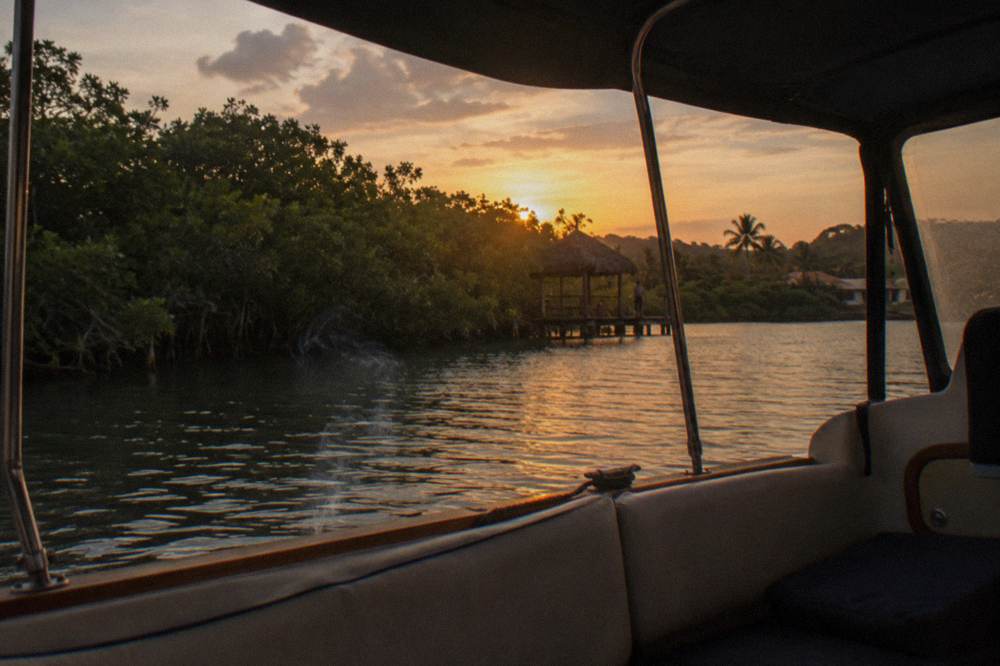
Packing for the bugs takes one pocket of your bag, and the rest of the bag is short. The table below is the complete practical list as the operator and recent guidance state it.
| Item | Why, per the operator and guidance | Where it is stated |
|---|---|---|
| Insect repellent | Mosquitoes present at night; apply before the tour, not right before the swim | Visitor guidance, 2025 to 2026 |
| Swimwear and towel | Swimming is part of the standard tour; changing rooms at the marina | Operator page |
| Dark swimsuit if swimming | Brackish water can stain lighter colours | Visitor guidance |
| Water shoes | Soft, muddy lagoon floor | Visitor guidance |
| No flash camera | Flash and bright screens reduce the glow's visibility | Operator page |
The clothing and kit questions have their own full write-up in the what to wear and bring guide, and the photography question is next here because it is the other rule guests most often break.
Can You Take Photos On The Night Tour?
Photography is allowed but constrained: the operator says no flash, and a DSLR works best, while phone cameras are not promised to capture the glow at all. Recent guidance is blunt that standard phones and cameras struggle with the low-light blue-green emission, so professional photos or good low-light equipment are the reliable routes to an image.
The glow is a low-light phenomenon at 476 nanometres, blue-green, produced by organisms that flash for a fraction of a second when the water moves. A phone sensor designed for dinner photos will find that hard, and no listing promises a photo result. The operator's guidance names a DSLR as the tool that works, bans flash because it kills the darkness the glow needs, and the broader rule on the water is screens dark, since a bright phone display at the rail dims the experience for the whole boat.
Guests report two workable strategies. The first is to buy the souvenir photos offered on several listings; a number of the Montego Bay and Falmouth trips list professional photos as an available purchase rather than an inclusion, which tells you the operators know their guests want the image. The second is to go for the memory over the picture: nearly every long review of the lagoon describes the glow in the water around moving limbs as the thing no camera reproduced. The photos and video guide goes deeper on settings and expectations.
Is The Lagoon Tour Suitable For Kids And Non-Swimmers?
Recent guidance describes the tour as suitable for all ages with no height or strict age limits noted, and family-friendly for non-swimmers who stay on the boat. Life jackets are available, the water is shallow and warm at the swim stop, and several listings state swimming is optional, so a child or a hesitant swimmer can ride, watch the glow from the rail and skip the water entirely. If you're bringing little ones and wondering what to pack or which departure town suits a young family best, our guide to visiting the Luminous Lagoon with kids covers ages, boat safety and late-night logistics in detail.
The structure of the tour does the inclusion work. It is a short boat ride, typically 35 to 45 minutes on the water, in a warm, sheltered lagoon, with a swim stop that is opt-in. Younger children may hesitate at the dark water and the mud, guidance notes, which is a temperament question rather than an age rule; kid pricing, where it exists, is on each listing rather than in any blanket site policy. Non-swimmers stay aboard and still get the show, since the boat's own wake drags a glowing trail behind it the whole way out.
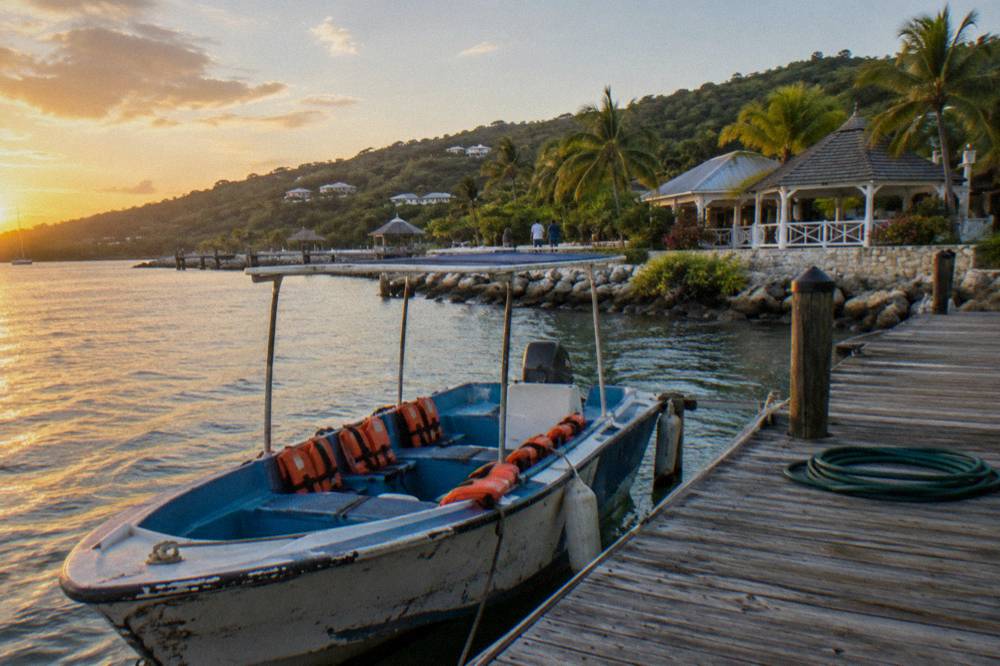
Listing by listing, the family-relevant details that are actually stated look like this.
| Listing | Price basis | Swim stated? | Group cap | Rating |
|---|---|---|---|---|
| Mesmerizing Luminous Lagoon (Glistening Waters) Night Tour | from $100 per person | not stated on the listing | up to 25 guests | 4.5 from 101 reviews |
| Jamaica: Bioluminescent Lagoon Boat Cruise with Transfers | from $69 per person | swim listed | Not stated | 3.9 from 89 reviews |
| Luminous lagoon Dark Night Tour from Ocho Rios | from $79 per person | not stated on the listing | up to 15 guests | 4.5 from 75 reviews |
| Private Tour from Ocho Rios Runaway Bay | from $85 per person | not stated on the listing | up to 15 guests | 5 from 90 reviews |
| From Montego Bay: Luminous Lagoon Boat Tour with Transfer | from $61.57 per person | swim listed | Not stated | 3.8 from 16 reviews |
The private option in that table earns its place for families. The Private Tour from Ocho Rios Runaway Bay to the Luminous Lagoon, from $85 per person and rated 5 from 90 reviews, caps at 15 guests, includes entry fee and bottled water, and its five-star record across 90 reviews is the highest rating on the site from a pool that large. For a family that wants a small boat and a driver-guide who answers to nobody else, it is the listing to read first. For families weighing a longer night out, our guide to Montego Bay after-dark tours and excursions compares the catamaran, combo and lagoon transfer options by price and duration.
The with-kids angle has its own page, the lagoon with kids guide, which pairs the family listings with the practical timing questions that come with children and late nights.
Is It Safe To Book From Montego Bay, Ocho Rios Or Negril?
Every lagoon listing on this site states free cancellation on its own line, and the safety question here is really a transport question: roughly 30 minutes from Montego Bay to Falmouth per the marina, roughly an hour from Ocho Rios, and about two hours from Negril. Pickup is stated listing by listing, never assumed, and the drives are on the A1 north coast highway.
The distances shape the evening. The marina describes itself as approximately 30 minutes east of Montego Bay, and a travel site puts the airport-to-Falmouth run at 30 to 40 minutes along the A1. Ocho Rios is roughly an hour and 41 miles away per route planners, and Negril is the long haul at about two hours and 69 miles, worth treating as approximate. Rain matters more than distance: sections of the north coast road network have seen weather-related disruption, and a heavy-rain evening affects both the drive and the glow, since rain dilutes and cools the water.
| Departure area | Approximate drive to Falmouth | Example listing | Pickup stated? |
|---|---|---|---|
| Montego Bay hotels | roughly 30 minutes, per the marina | Mesmerizing Luminous Lagoon Night Tour, from $100 | yes, hotel pickup and drop-off listed |
| Montego Bay hotels | roughly 30 minutes | From Montego Bay: Luminous Lagoon Boat Tour with Transfer, from $61.57 | yes, hotel transfer listed |
| Ocho Rios and Runaway Bay | roughly an hour | Dark Night Tour, from $79 | yes, hotel pickup and drop-off listed |
| Ocho Rios and Runaway Bay | roughly an hour | Private Tour from Ocho Rios Runaway Bay, from $85 | yes, hotel pickup listed |
| Negril hotels | about 2 hours | Glistening Waters Tour From Negril, from $180 | yes, hotel and Airbnb pickup listed |
The Negril line deserves its own caution, not on safety but on stamina: a six-hour round-trip listing for a 45-minute boat ride is a commitment, and the Negril listing's exclusion of the entry fee means the boat ticket is separate. The Grand Palladium departure from Lucea, from $125 per person and rated 3.5 from 41 reviews, splits the difference geographically, is a four-hour listing with up to 100 guests.
The lowest-priced listing that names hotel pickup is that $61.57 Montego Bay transfer listing: hotel pickup, boat trip, skipper and life jackets all named in the inclusions, free cancellation listed, and a 3.8 from 16 reviews that reads as a budget operation doing the basics. Read the reviews before you book it, read the cancellation line before you rely on it, and check the live listing for the pickup window on your specific hotel.
One operator footnote that is not a listing term: Glistening Waters itself advertises free transfers from the Montego Bay and Runaway Bay areas for groups of 8 or more, restrictions applying, booked directly with the marina. It is a way for a larger group to erase the transport question entirely, and the marina's contact details are on its own site.
What Does The Science Say Is Actually In The Water?
The organisms are dinoflagellates, Pyrodinium bahamense, microscopic single-celled algae that emit blue-green light when mechanically disturbed by a boat wake, a swimming motion or a hand stir. The estuary's mix of Martha Brae freshwater and Caribbean saltwater sustains them, and the scientific record for the bay measured densities as high as 200,000 cells per litre in a 1966 study.
The glow is chemistry, not mysticism. Pyrodinium bahamense needs warm, salty water above roughly 20 psu salinity to thrive, and the river-mouth mixing zone at Falmouth delivers a brackish balance that suits it. When something moves the water, the organisms fire a fraction-of-a-second flash of blue-green light, and countless flashes together make the trails guests describe. The dinoflagellates recharge during daylight on a circadian rhythm, which is why operators favor evenings after sunny days.
The honest variability is part of the science, not a flaw in it. Moonlight is the number one visibility factor: the glow is produced every night, but a dark, moonless sky gives the contrast that makes it spectacular, and a full moon washes it toward subtle. Heavy or recent upstream rain dilutes and cools the water and dims the display. No operator guarantees an intensity, and this site does not either; what the record supports is that the phenomenon is persistent, year-round and visible to some degree whenever the boats run.
For the full mechanism, the how bioluminescence works guide is the deep dive, and the comparison with Puerto Rico's bays covers how Jamaica's swim-friendly lagoon differs from kayak-only sites elsewhere.
Common Questions About Luminous Lagoon Safety
Are There Sharks In The Luminous Lagoon?
No sharks have been reported in recent visitor accounts from the lagoon. The water is a shallow, warm, brackish estuary of roughly 3 to 8 feet where the Martha Brae River meets the sea, conditions that suit the glow organisms and small fish rather than large predators, and no listing carries a shark warning.
Are There Crocodiles At Glistening Waters?
A conservation-focused write-up notes American crocodiles may occasionally enter the estuarine zone, and in the same note says they are not a swimming hazard in tour descriptions. No listing or operator page carries a crocodile warning, and no incident appears in the record.
Is The Water Deep At The Swim Stop?
The operator reports about 3 to 8 feet, "or more" in spots, and a tourist-board-linked source gives about 3 to 4 feet with 8 at the deepest. Most adults stand at the swim stop, over a soft, muddy floor that water shoes handle well.
Are Mosquitoes A Problem On The Night Tour?
Yes, mosquitoes are present at night in the marsh and repellent is recommended in recent guidance. Apply it before the tour but not immediately before swimming, a timing caution that keeps chemicals off the organisms that make the glow.
Can Non-Swimmers And Kids Take The Lagoon Tour?
Guidance describes the tour as suitable for all ages with no strict age or height limits noted, and family-friendly for non-swimmers who stay on the boat. Life jackets are described as available, and swimming is optional on the listings that state it.
Do The Night Tours Run If It Rains?
Tours run year-round, weather permitting, but heavy or recent upstream rain can dim the glow by diluting and cooling the water. Every listing on this site states free cancellation on its own line, so check the terms on the live listing if the forecast turns.