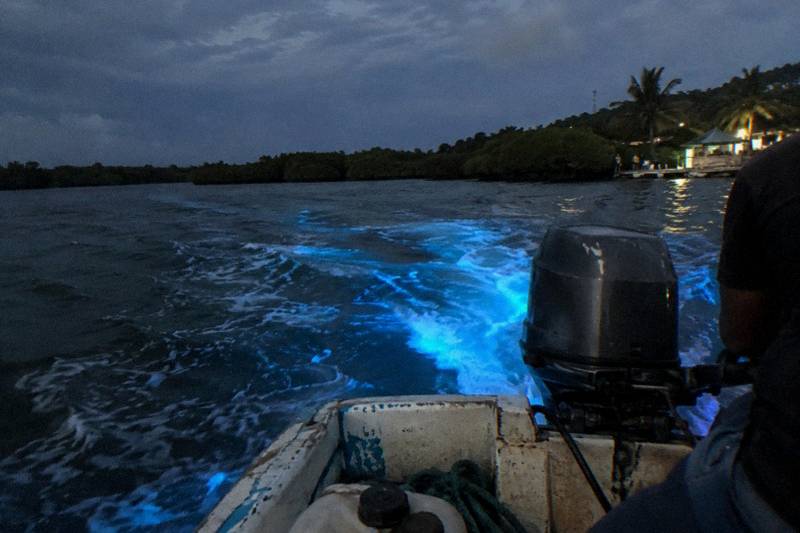
What To Wear And Bring To The Luminous Lagoon
The lagoon glows best when everything around it stays dark, warm and simple, and what you wear decides how much of that you get.
Short answer
Wear a dark swimsuit under your clothes and rubber-soled water shoes, bring a towel and a dry bag for your phone, skip spray-on repellent right before swimming, and carry small US bills for tips. The water is about 3 to 8 feet deep where the boats stop, and the operator asks guests to bring swimwear and a towel.
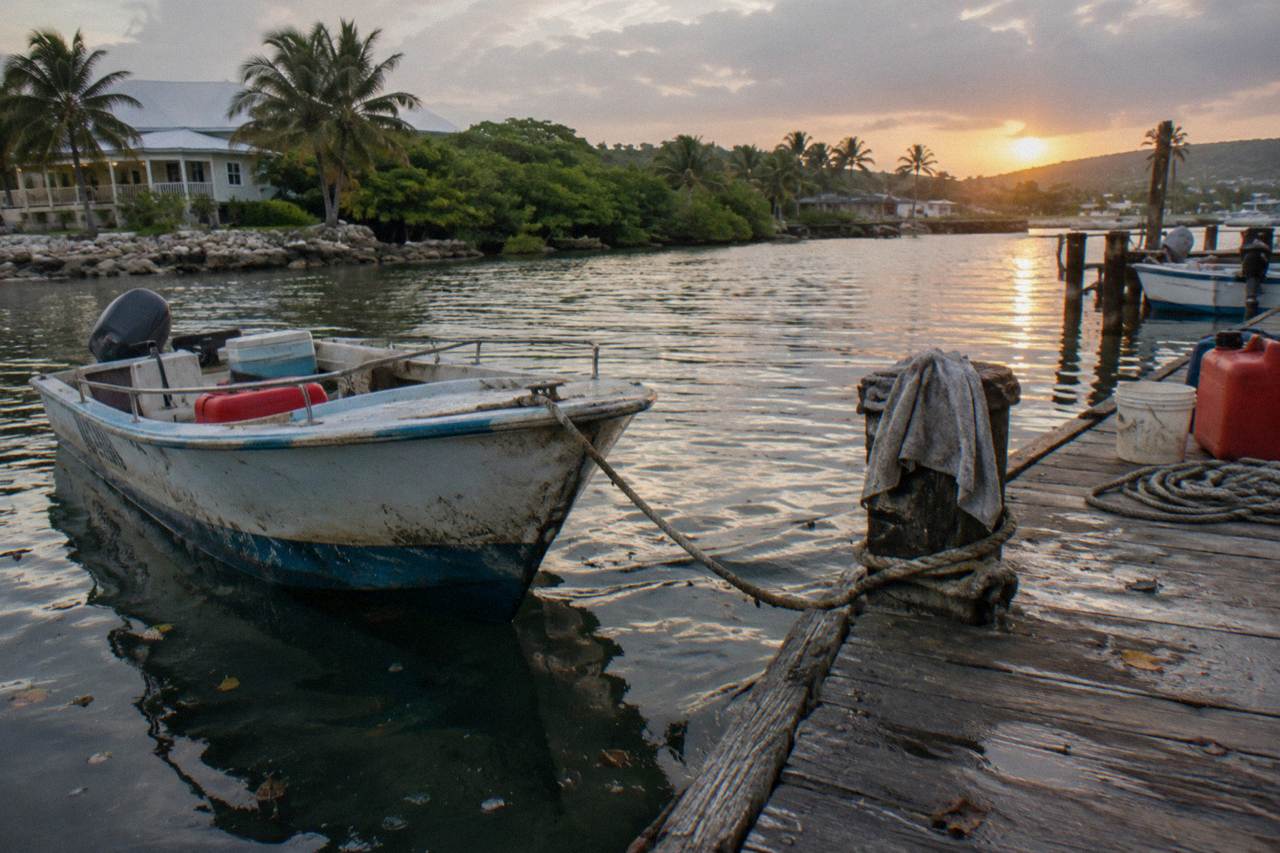
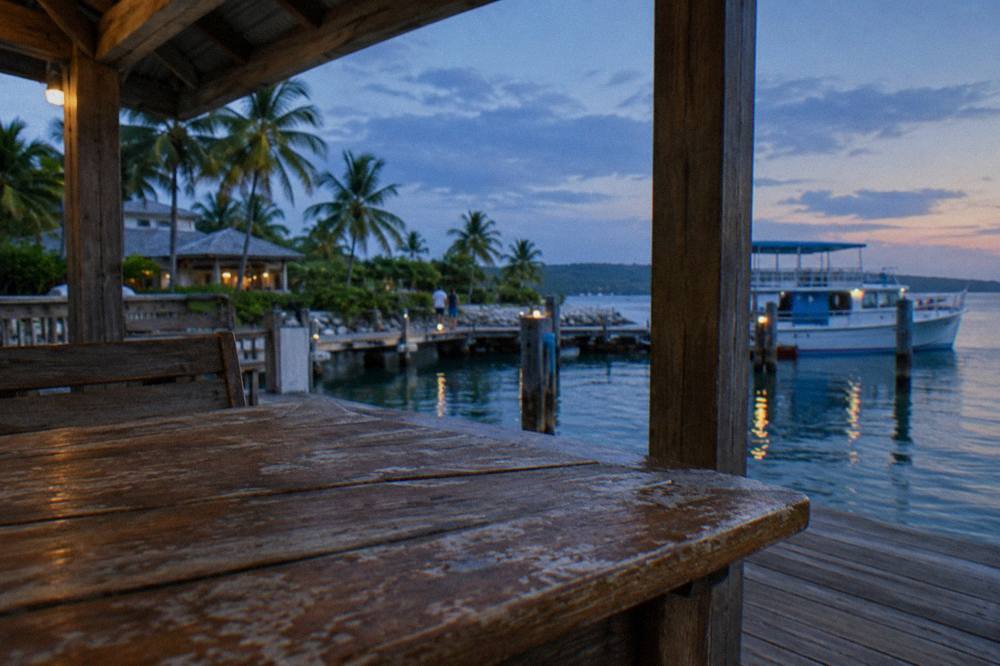
Night boat trips on the Luminous Lagoon run from Glistening Waters Marina, Hotel and Attraction in Rock, Falmouth, Trelawny, on the stretch of marsh where the Martha Brae River meets the Caribbean Sea. The tours leave at sunset and spend roughly 35 to 45 minutes on the water, with an optional swim in shallow water. That short window shapes everything about what you should wear. You will board in the dark, possibly step into brackish water over a soft floor, and stand on a dock where mosquitoes are active after sundown. Get the clothing right and the evening stays simple. Get it wrong and you spend the night picking mud out of your sandals while the boat pulls away. If you're also wondering how risky that after-dark swim really is, our safety guide to the Luminous Lagoon takes on the shark and crocodile rumours, the insect situation, and what the boat operators actually say about swimming depth and life jackets.
This guide walks through each packing question in turn, anchored to what the operator at Glistening Waters states and what the tour listings covered here actually include. It is part of the practical series on Luminous Lagoon Jamaica Tour, alongside deeper pages on swimming and timing, and it ends with a printable shortlist.
What Should You Wear To Swim In The Luminous Lagoon?
Wear a dark swimsuit under casual evening clothes, with a cover-up or dry layer for the boat ride, because the operator states the water is about 3 to 8 feet deep, warm and brackish, and lighter swim fabrics can pick up staining from the brackish estuary water. Bring a towel, since the operator lists swimwear and a towel as the two items guests should arrive with, and changing rooms are available at the marina.
The single most repeated clothing tip across recent visitor guides is the swimsuit color. The water where the Martha Brae River meets the sea is brackish, and guides note it can stain lighter fabrics. A dark suit, black or navy, solves the problem entirely. There is no dress code beyond that; this is a working marina and a boat deck, not a resort restaurant, so shorts and a t-shirt over the suit is the normal outfit.
Swimming is optional on the standard operator tour, and several of the transfer-inclusive listings covered here, including the boat cruise with transfers from Montego Bay at from $69 per person and the Falmouth yacht cruise, list a swim stop. Non-swimmers simply stay on the boat, where the glow is visible in the wake and around the hull. If you are deciding whether the water is for you at all, the swimming guide for the lagoon covers depth, ability and what the swim actually feels like in practice.
A dry layer matters more than people expect. You will be wet, in a breeze, on a night crossing, and evenings on the north coast can turn cool after the sun drops. A simple dry shirt or light jacket for the ride back keeps the post-swim hour comfortable, especially for children or anyone who chills easily. Leave the resort finery at the hotel: there is mud, seawater and boat fuel on the dock, and the whole point of the evening is being able to say yes when the boat stops and the crew invites people into the water.
Do You Need Water Shoes At Glistening Waters?
Yes, water shoes or rubber-soled waterproof footwear are the practical choice, because the lagoon floor is soft, muddy and uneven underfoot where guests step in to swim, and regular flip-flops clog, float away or sink. The operator gives the depth as 3 to 8 feet, or more, so footing is never a given, and sturdy soles let you stand and move in the water with confidence.
Visitor guides to the lagoon consistently recommend water shoes over sandals, and the reason is the bottom. The estuary floor is silt and soft mud rather than sand, and bare feet or thin flip-flops make an awkward swim exit harder than it needs to be. Rubber-soled shoes that stay on your feet, the kind sold for rocky beaches, are the standard recommendation. Sneakers you are willing to ruin also work; anything you would be upset to get wet and muddy does not.
| Footwear option | How it performs on the lagoon | Verdict |
|---|---|---|
| Rubber-soled water shoes | Grips the soft, muddy floor and stays on in 3 to 8 feet of water | Best choice |
| Old sneakers | Protects feet, but heavy when soaked and slow to dry | Acceptable |
| Flip-flops | Clogs with mud, floats loose, common loss item on docks | Avoid |
| Bare feet | Soft silt, uneven bottom, no protection | Not advised for the swim |
One note on the boat itself: you will remove wet footwear or rinse it before settling in for the ride back, so a small plastic bag in your daypack keeps the mud off everyone else's clothes. The tours that include hotel transport, such as the Mesmerizing Luminous Lagoon night tour from Montego Bay hotels, from $100 per person with 4.5 from 101 reviews, use air-conditioned vehicles, and drivers appreciate guests who keep the silt contained.
What Should You Bring On A Luminous Lagoon Night Tour?
Pack light: a towel, a dry bag or zip pouch for your phone, your water shoes, a light dry layer, and small US cash for tips and any dockside food or photos. The listing for the featured Montego Bay night tour includes hotel pickup and drop-off in an air-conditioned vehicle, but lists gratuities as an exclusion, so cash on the night is the working assumption for almost every tour covered here.
The marina has changing rooms, so you can arrive in street clothes and change into your swimsuit on site. That is the usual pattern for guests coming from Montego Bay, roughly a 30 minute drive east along the coast per the marina's own directions page, or from Falmouth hotels minutes away. Nothing about the evening requires special equipment. The boat, the crew, life jackets and the swim stop are handled by the operator.
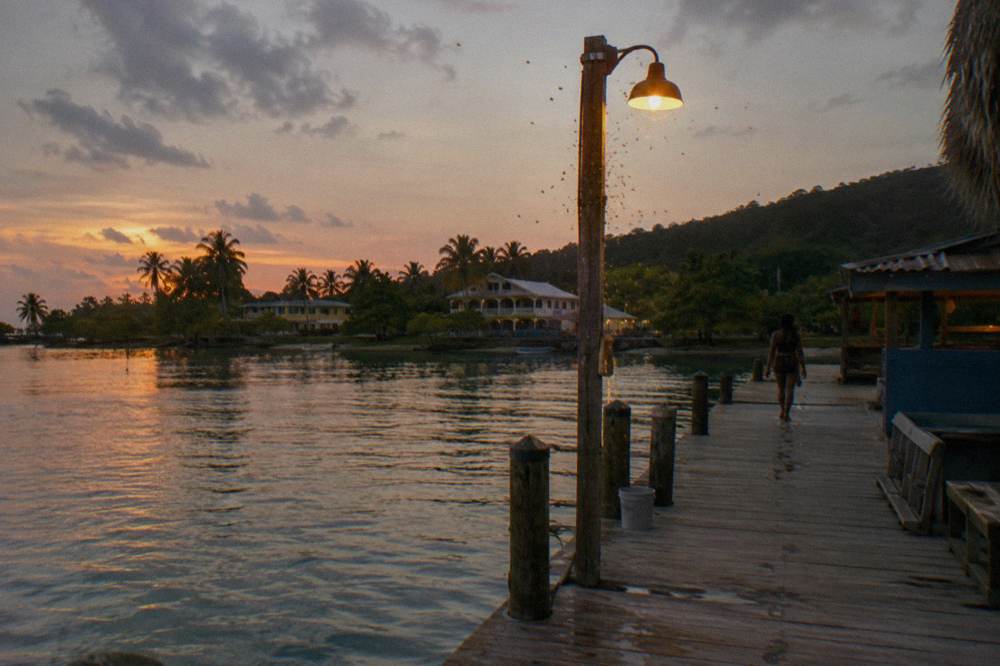
The one item people regret forgetting is the dry bag. Phones and keys come on the boat, the water is inches away, and the marina sells souvenir photos but not replacement phones. A cheap zip-seal pouch is enough. Keep the phone screen off on the water, since ambient light cuts the visibility of the glow for everyone around you, a point multiple visitor guides make about respecting the darkness the tour depends on.
| Item | Why it earns its place | Notes |
|---|---|---|
| Dark swimsuit (worn or packed) | Brackish water can stain light fabrics | Operator asks guests to bring swimwear |
| Towel | You will get wet if you swim | Changing rooms available at the marina |
| Water shoes | Soft, muddy floor in the swim area | Rubber soles, secure fit |
| Dry bag or zip pouch | Protects phone and keys from splash | Keeps gear usable on the ride back |
| Light dry layer | Breeze on the night crossing | Especially for children |
| Small US cash | Tips are excluded on many listings | Also handy for dockside food and photos |
Dinner is worth planning separately. The Glistening Waters restaurant on site operates daily, and several listings explicitly exclude food, from the Falmouth fire dance tour, which notes restaurant orders at $6 to $150 depending on what you choose, to the Montego Bay boat and swim tours that list dinner as purchasable rather than included. Eating before or after the boat is the common pattern, and the ticket and pricing guide breaks down what each listing covers.
Will Insect Repellent Ruin The Glow?
Mosquitoes are active at the marina after dark, so repellent is genuinely useful on the dock and boat, but visitor guidance asks that you not apply bug spray immediately before swimming, to protect the dinoflagellates that create the light. Apply repellent at the dock before boarding and spray away from the water.
The glow comes from the dinoflagellate Pyrodinium bahamense, which emits blue-green light when the water is disturbed by a boat wake or a swimmer, per the operator's own scientific information page. Repellent guidance for the lagoon says to apply it before the tour but not immediately before entering the water. The practical sequence: repellent on your clothes and shoulders while you wait, then swim, then reapply on the dock.
A towel and a change of clothes also serve the glow indirectly. The faster you dry off and settle, the sooner the boat can kill its lights and let the water do the showing. For a fuller walkthrough of what the science actually is, the bioluminescence explainer covers the organism, the light wavelength and why movement triggers it.
Can You Take Photos Of The Glow With A Phone?
Realistically, no, and the operator says so plainly: no flash photography is allowed, a DSLR works best, and phone cameras are not promised to capture the glow at all. Bring the phone for dockside shots if you like, keep it in a dry bag on the boat, and buy the souvenir photos the listings mention if you want the moment saved.
Bioluminescent light is faint and moving, which is the worst possible combination for a phone sensor. Visitor guides to the lagoon agree that standard phones and point-and-shoots return black frames with maybe a smear, and that low-light equipment or a professional camera is what actually records it. The operator permits photography but bans flash, because flash both kills night vision for the whole boat and adds nothing to a light that registers on long exposures, not bursts.
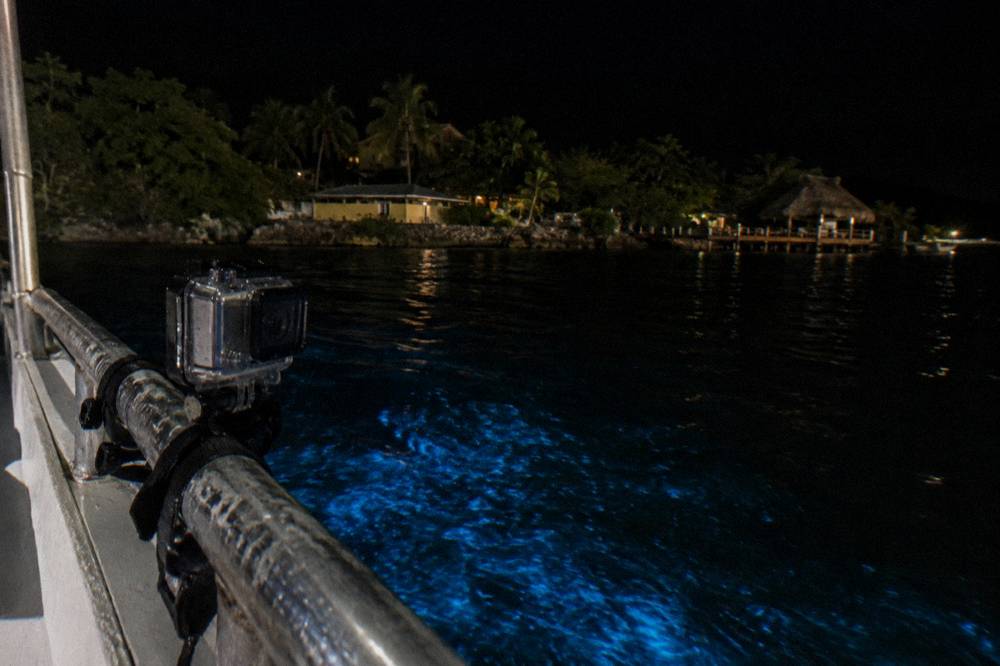
| Gear | What it achieves on the water | Verdict |
|---|---|---|
| Phone, default camera app | Usually black frames; glow is too faint and moving | Expect nothing |
| Phone, long-exposure app, braced | Occasional usable wake shots in full darkness | Worth a try, no promises |
| DSLR or mirrorless, fast lens, high ISO | The operator says this works best | Best bet |
| Flash anything | Banned by the operator, ruins the dark for others | Do not bring it out |
| Souvenir photos sold at the marina | Listed as an exclusion, purchasable, taken by the operator | The reliable option |
If photography is the reason you are going, plan around the moon before you plan around gear. The operator and visitor guides agree the glow is present every night but the contrast, and therefore the photographability, is best around the new moon and worst under a full one. The moon phase guide ties booking dates to that cycle.
How Deep Is The Water And Does Depth Change What You Wear?
The operator reports the swimming depth as 3 to 8 feet, or more, and a tourist-board-linked site gives about 3 to 4 feet with 8 at the deepest, so most standing adults are chest-deep or less where the boats stop, and that is precisely why water shoes and a secure swimsuit matter more than any swimming credential. Life jackets are available on the tours.
Depth is a packing question here, not a swimming one. In waist-to-chest water you will want to stand, shift your feet on the soft floor and keep your balance, which is the exact case for rubber soles. It is also why the swim works for cautious swimmers and children who stay near the boat: the water is shallow and warm. The 1966 Johns Hopkins study of the bay measured the dinoflagellate population at densities as high as 200,000 cells per litre, which is why moving your hand through the water leaves a visible blue-green trail even in the shallows.

Does What You Pack Change With The Tour You Book?
Mostly no, but a little yes: the boat, water and dock are the same for everyone, so the core list is constant, while the longer transfer tours add ride comfort items, the private tours add flexibility on timing, and the listings that include drinks or a fire show change what cash you need at the dock. Read your own listing's inclusions before you pack extras.
Guests on the Ocho Rios and Runaway Bay departures face the longest ride, roughly an hour each way to Falmouth, and the Dark Night Tour from those hotels, from $79 per person with 4.5 from 75 reviews, includes hotel pickup and drop-off and the entrance fee but excludes dinner. For that tour, snacks and a filled water bottle for the vehicle are the sensible additions, and a pillow-friendly hoodie for the ride home.
The Falmouth fire dance tour is the different one. It runs 2 hours from $120 per person as a new listing, includes transport, entry tickets and a fire dance and limbo show, but no food, so guests order at the restaurant on site, with menu prices the listing puts at $6 to $150 depending on the order. For that evening, pack for a full night out: dry shoes for after the swim, a layer for sitting through the show, and the appetite a swim builds.
Private tours shift the packing question toward timing rather than gear. A private Montego Bay listing at from $100 per person includes bottled water and a welcome drink, so the vehicle is handled and you can travel lighter, though with only 1 review so far it is a young listing without a rating record.
| Departure or format | Ride to the marina | Packing adjustment |
|---|---|---|
| Montego Bay hotels | Roughly 30 minutes per the marina | Standard list, nothing extra |
| Falmouth hotels | Minutes | Standard list, lightest possible |
| Ocho Rios and Runaway Bay | Roughly an hour | Water bottle and snacks for the vehicle |
| Private tours | Timing set with the operator | Confirm swim and dinner plans in advance |
| Fire dance evenings | Short transfer, show on site | Dry shoes, layer, cash for the restaurant |
What About Cash, Tips And Changing Facilities At The Marina?
Bring small US bills: gratuities are listed as an exclusion on the featured Montego Bay night tour and on many of the transfer tours covered here, the marina sells souvenir photos that several listings name as a purchasable extra, and the on-site restaurant takes food orders on the night. Changing rooms are available at the marina, per visitor guidance, so you can arrive in street clothes and change there.
Since the swim stop is the emotional peak of the night, cash that is reachable without unpacking a wet bag is the detail worth getting right: a folded amount in a zip pocket, not at the bottom of a backpack on the bus. The operator's marina also hosts the restaurant and cocktail bar, with the restaurant open daily into the evening, which makes the site a full evening stop rather than a drive-by dock.
A final planning note: the glow varies with the moon and recent rain, brighter on dark, calm nights after sunny days and dimmer under a full moon or after heavy upstream rain, so the evening you choose changes the show more than anything you pack. The best time to go guide covers the seasonal picture.
Prepared readers book with confidence and arrive ready, and the difference between a frantic night and a smooth one is usually a towel, the right shoes and a bag that keeps the phone dry. If you want help matching a tour to your hotel area first, the lagoon tours compared guide lays out the options side by side, and you can also check availability on the featured Montego Bay night tour's live listing.
Common Questions About What To Wear To The Luminous Lagoon
What Should You Wear To Swim In The Luminous Lagoon?
A dark swimsuit under casual evening clothes, with a dry layer for the boat ride. Brackish water can stain lighter fabrics, and the operator asks guests to bring swimwear and a towel. Changing rooms are available at the marina.
Do You Need Water Shoes For The Luminous Lagoon?
Yes, they are the practical choice. The lagoon floor is soft and muddy where guests swim, and water shoes or rubber-soled waterproof footwear protect your feet and stay on in water the operator reports as 3 to 8 feet deep.
Can You Take Pictures Of The Luminous Lagoon Glow?
Not reliably with a phone. The operator bans flash, says a DSLR works best, and phone cameras are not promised to capture the glow. Souvenir photos are sold at the marina as a purchasable extra on several listings.
Does Insect Repellent Harm The Bioluminescence?
Guidance for the lagoon asks guests not to apply bug spray immediately before swimming, to protect the dinoflagellates that produce the light. Apply repellent on the dock before boarding and reapply after the swim.
What Should You Bring On A Luminous Lagoon Tour?
A towel, water shoes, a dry bag for your phone and keys, a light dry layer, and small US cash for tips, dockside food and photos. Gratuities are listed as an exclusion on the featured Montego Bay night tour and many transfer tours.
Do You Need To Be A Strong Swimmer For The Lagoon?
No. The swim is optional, life jackets are available, and the operator reports depths of 3 to 8 feet where the boats stop, so most adults can stand. Non-swimmers can stay on the boat and still see the glow in the wake.