Can You Swim In The Luminous Lagoon?
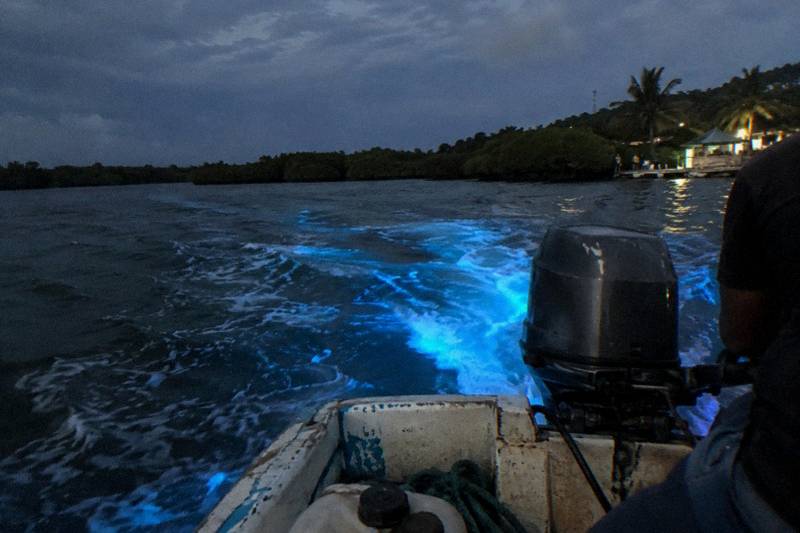
Yes, swimming is part of the standard Luminous Lagoon boat tour, and several bookable listings include it. Here is how the swim works, the depth, what to wear, and which trips fit.
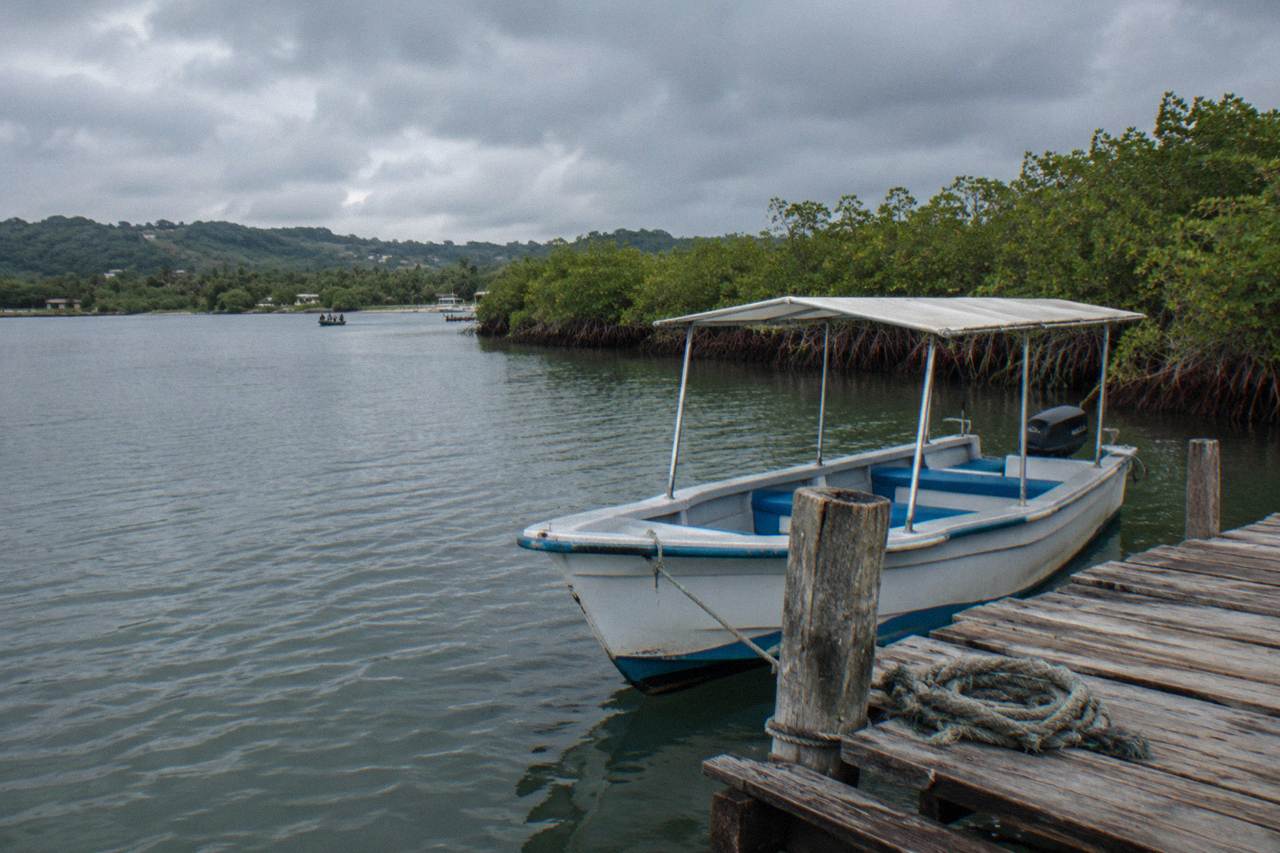
The Luminous Lagoon, also called Glistening Waters, sits where the Martha Brae River meets the Caribbean Sea on Jamaica's north coast, near Falmouth in Trelawny. Swimming there is not a rogue activity or a special add-on: it is built into the standard operator tour that runs nightly from Glistening Waters Marina, and several of the bookable trips covered here flag a swim in their own listing details. The water is shallow and warm, the floor is soft, and the glow appears wherever the water is disturbed. If you're weighing whether the swim itself is a good idea, the guide to how safe the Luminous Lagoon swim really is covers water depth, night conditions, and what past guests have reported.
Whether you should swim, and what the experience actually involves, is worth a longer look. The answers below draw on the operator's own published information, the listings themselves, and the science that explains why the water lights up at all.
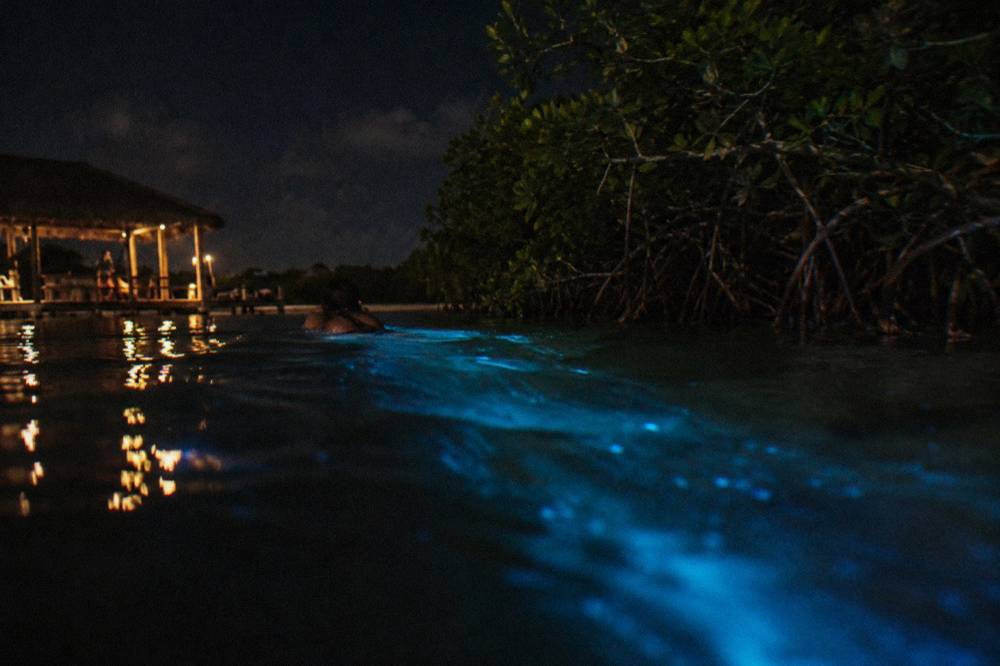
Yes, you can swim in the Luminous Lagoon, and swimming is part of the standard tour: the operator states that guests swim in the lagoon as part of the nightly boat trip and should bring a swimsuit and towel. The water is warm and shallow, reported at about 3 to 8 feet, and the glow appears around your arms and legs as you move. Several bookable listings flag the swim option directly.
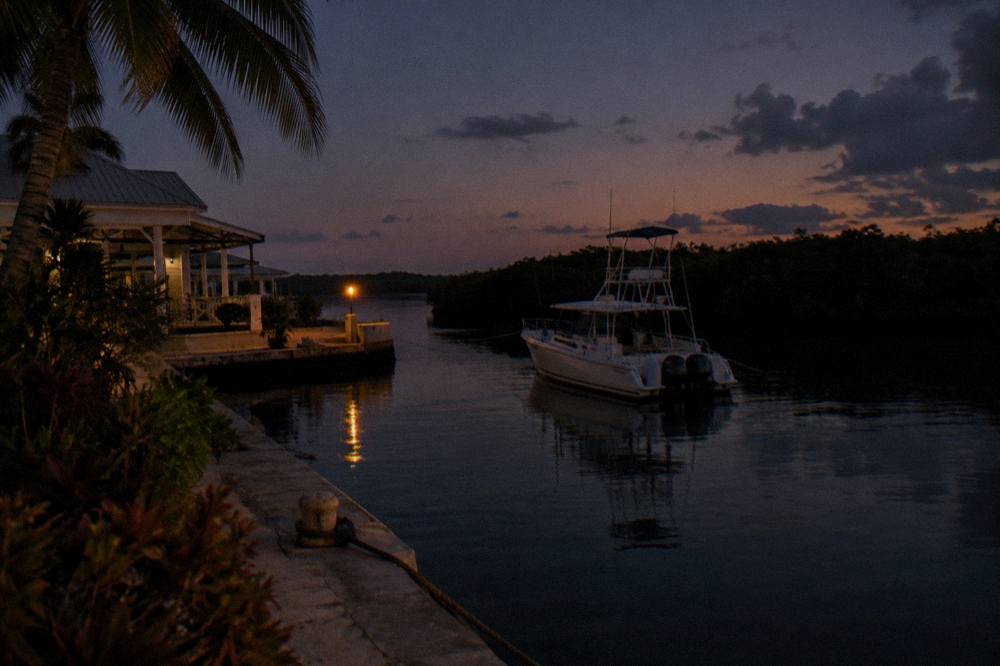
The operator, Glistening Waters Marina, Hotel and Attraction, runs boat tours every night from its dock at Rock, Falmouth, starting around sunset, with roughly 35 to 45 minutes on the water. Swimming is included in that standard trip, not sold separately. The operator's boats carry up to 30 guests each, and life jackets are available.
Not every listed tour that visits the lagoon advertises a swim, so it pays to read each one. The featured listing on this site, the Mesmerizing Luminous Lagoon (Glistening Waters) Night Tour from Montego Bay hotels, from $100 per person and rated 4.5 from 101 reviews, includes hotel pickup and drop-off and a one-hour total experience. Other Montego Bay departures flag the swim explicitly, including the Explore Montego Bay to Luminous Lagoon Glistening Water Night Tour, from $90 per person and rated 4.5 from 78 reviews, whose listing describes a 20-minute round-trip boat ride with a swim in the glowing lagoon, and the From Montego Bay: Luminous Lagoon Boat Tour with Transfer, from $61.57 per person with swim listed. Travelers arriving from the east can take the Luminous lagoon Dark Night Tour from Ocho Rios and Runaway Bay Hotels, from $79 per person, rated 4.5 from 75 reviews, with hotel pickup included and the entrance fee covered.
One point worth setting straight before anything else: the glow is natural and it is there on most nights, but its brightness is not a switch anyone controls. Operators report that dark, moonless nights after sunny days show the strongest effect, while full moons and heavy recent rain can dim it. No listing promises a sighting, and none should. The swim is offered regardless; the intensity of the blue-green light around you depends on the night.
What Actually Glows In The Water?
The light comes from a dinoflagellate called Pyrodinium bahamense, a microscopic organism that emits a blue-green flash when the water around it is disturbed. A 1966 Johns Hopkins study of the bay recorded densities as high as 200,000 cells per litre, with light emission peaking at 476 nanometres, in the blue part of the spectrum. That is why your hands, the boat wake and every kick of a swimmer's legs trace light through the water.
The organisms thrive here because the lagoon is brackish: freshwater from the Martha Brae River mixes with saltwater from the sea along the marshland between the fishing community of Rock and the town of Falmouth. That constant mixing of fresh and salt water, rich in nutrients and sheltered by mangroves, is what sustains the population. The species needs warm, saline conditions, and this estuary supplies them year-round.
For a swimmer, the mechanics matter more than the taxonomy. The organisms emit light mechanically, which means any disturbance triggers it: a hand pulled through the water, a splash, raindrops hitting the surface, a hull moving past. Guests report that the effect concentrates around moving limbs, so an active swim produces far more light than floating still. The organisms recharge during daylight on a circadian rhythm, which is one reason guides favor nights that follow bright, sunny days.
This site's deeper science write-up covers the chemistry in more detail; see how the lagoon's bioluminescence works for the full explanation. The short version for swimmers: nothing in the water is producing heat or electricity, only light, and the display is triggered entirely by motion.
How Deep Is The Water You Swim In?
The operator reports the lagoon depth as about 3 to 8 feet, "or more" in places, while a tourist-board-linked source gives about 3 to 4 feet with 8 feet at the deepest spots. Either way, the swim zone is shallow enough that most adults can stand, and the boat stays close by with life jackets available. The floor is soft and silty rather than sandy, which is why footwear advice exists.
Both figures describe the same swim area, and the spread between them is a reminder that this is a natural estuary, not a swimming pool with a marked depth. Every description agrees on the character of the water: warm, shallow and calm, with a soft bottom. Swimmers who prefer not to tread water can generally find their footing, and non-swimmers can stay on the boat and still see the glow around the hull and in the wake.
A few practical points follow from the depth and the floor. The soft, muddy lagoon floor is the reason guides and listing advice suggest water shoes or rubber-soled footwear: bare feet sink into silt. Changing rooms are available at the marina, so you can rinse and change after the swim rather than riding back to your hotel in a wet suit. Most listings say they are not wheelchair accessible, though the Explore Montego Bay night tour lists wheelchair-accessible transport and surfaces, so confirm with the operator before booking.
If you are deciding between a shared boat and a private trip for the swim, the Private Tour from Ocho Rios Runaway Bay to the Luminous Lagoon is worth a look: from $85 per person, rated 5 from 90 reviews, a two-hour private tour for up to 15 guests with bottled water, driver-guide, entry fee and hotel pickup from Ocho Rios or Runaway Bay included.
Will You See The Glow While Swimming?
On most nights, yes, guests report light around their movements in the water, but no operator or listing guarantees an intensity. Moonlight is the single biggest variable: darker, moonless nights give the strongest contrast, while a full moon can wash the blue-green light out even though the organisms are still flashing. Heavy or recent rain can also dilute and dim the display.
The glow itself is present nightly; what changes is how visible it is to your eye. Ambient light is the enemy. A bright moon overhead, lights from the shore or a phone screen switched on in the boat all reduce the contrast that makes the glow pop. That is why crews ask passengers to keep phones and screens off or dimmed on the water, and why the strongest reports cluster in the nights around a new moon. The biology also plays a part: the organisms recharge during daylight, so a clear, sunny day before a dark night is the combination experienced guides hope for.
Season matters less than people assume, but it still matters a little. Tours run year-round, seven nights a week, weather permitting. The dry season from December to April is often described as producing the brightest conditions, and hurricane season from June to November carries some risk of a tour being disrupted by weather. Within any season, though, the moon matters more than the month. This site's dedicated moon-phase page, planning a lagoon trip around the moon, goes deeper on picking your dates, and the broader best time to visit the lagoon covers season and weather together.
One thing no listing will promise you is a photograph of the glow from the swim itself. The operator's guidance is direct: no flash photography, and a DSLR works best. Phone cameras are not built for the low-light conditions, so plan to swim, look and remember, and leave the imagery to the pros who sell photos dockside on some departures.
What Should You Wear And Bring For The Swim?
Bring a dark swimsuit, a towel and water shoes or rubber-soled waterproof shoes, and apply insect repellent before boarding but not immediately before swimming. The brackish water can stain lighter-colored fabrics, the lagoon floor is soft and silty, and mosquitoes are active at night. Changing rooms at the marina let you get out of wet clothes before the ride back.
The dark-swimsuit advice surprises people, so it deserves a plain explanation: the water is a mix of river and sea, and guests report that light-colored swimwear can pick up staining from it. Dark colors avoid the problem entirely. Water shoes solve the other common complaint, the mushy floor underfoot when you stand or wade.
Repellent needs a small amount of timing. Mosquitoes are genuinely present on the water at night, and skipping repellent is a mistake. The widely repeated guidance is to apply it before the tour but not in the last moments before you enter the water, out of consideration for the organisms that create the glow.
The rest of the packing list is short: a towel, dry clothes for after, and patience with your camera, which will almost certainly not capture what your eyes see. The site's full packing write-up, what to wear and bring to the lagoon, covers the details, and the general lagoon visitor guide is the place to start if this is your first trip.
| Item | Why It Matters | Source Of The Advice |
|---|---|---|
| Dark swimsuit | Brackish water can stain lighter fabrics | Visitor guidance |
| Water shoes | Soft, muddy lagoon floor underfoot | Visitor guidance |
| Towel | Changing rooms available at the marina | Operator |
| Insect repellent | Mosquitoes active at night; apply before, not right before swimming | Visitor guidance |
| DSLR camera if you have one | Phone cameras rarely capture the glow; no flash allowed | Operator |
Which Booked Tours Actually Include The Swim?
Swim is flagged on several listings, but not on all of them, so the listing's own inclusions are the deciding text. Strong swim-included options include the Bioluminescent Lagoon Tour: Night Swimming and Liming in Jamaica from Montego Bay, from $80 per person with alcoholic beverages listed, and the From Montego Bay: Luminous Lagoon Nighttime Boat Tour, from $123.41 per person with swim and entry tickets listed. Always read the inclusions line before booking rather than assuming.
The differences between similarly named trips are real. The Night Swimming and Liming tour is built around the swim, runs an hour and a half total, serves alcoholic beverages, and takes up to 60 guests. The Explore Montego Bay trip, from $90 per person, describes a 20-minute round-trip boat ride with the swim included, and can host up to 200 guests. The sunset catamaran option, Montego Bay: Sunset Catamaran Cruise and Bioluminescent Lagoon, from $200 per person for four hours with an open bar, snacks and swim listed, wraps the lagoon into a full evening on the water, though with only one review so far it is a new listing.
Travelers staying in Falmouth itself have a growing set of choices, including the Luminous Lagoon "Glistening Waters" Tour from Falmouth, from $95 per person with welcome drinks, a new listing with no reviews yet, and the Falmouth: Bioluminescent Lagoon Tour with Fire Dance, from $120 per person, which pairs transport and entry tickets with a fire dance and limbo show at the dock. Neither of those two lines flags a swim, which is exactly the point: same lagoon, different product.
For a fuller comparison across all 30 listings, see the lagoon tours compared.
Can Non-Swimmers And Children Still Enjoy The Trip?
Yes. The boat ride itself shows the glow in the hull's wake and around the propeller, and the trip is described as family-friendly, with no strict age limits noted on tours, though most listings say they are not wheelchair accessible. Children who hesitate at a night swim can stay aboard with a life jacket on and still watch the water light up around the boat.
The display does not require you to be in the water. Every movement of the boat produces the effect, and guests who stay aboard describe trails of light along the hull. That makes the trip workable for non-swimmers, nervous swimmers, and anyone who would rather stay dry. For families weighing the whole question, the site's lagoon trips with kids page covers the practical angles, and the broader swimming guide for the lagoon collects the swim-specific detail in one place.
A couple of honest limits. Kid pricing, age minimums and medical policies vary by listing and are not stated on most lines here: check the listing. And the swim, when you take it, happens at night in a natural lagoon with a soft floor, so anyone uneasy in water should stay on the boat, where the view is still the main event.
The practical base for all of this is Luminous Lagoon Jamaica Tour, the site's homepage comparison, which lays out the full range of trips by departure point, from Montego Bay hotel pickups to Falmouth, Ocho Rios and Negril departures, including the private options and the Dunn's River, Blue Hole and Martha Brae combo days.
Can You Swim There On A Cruise Day?
Normally, no. Scheduled Falmouth cruise calls usually end mid-afternoon, with October 2026 departures listed between 15:00 and 16:45, while lagoon boats leave the marina at and after sunset. A cruise passenger cannot usually take a night swim in the lagoon; only a day-lit visit fits a call, and no listing promises otherwise. Check your ship's all-aboard time.
The timing conflict is structural, not a matter of finding the right operator. The glow is only visible in darkness, the boats depart from sunset onward, and the ships leave before dark. Independent travelers with a hotel night in the area, or passengers on unusually late calls, can look at listings that state port or hotel pickup in Falmouth, but the standard cruise-day reality is a daytime visit to the marina area rather than the lit lagoon at night. The site's dedicated page on Falmouth cruise port excursions works through the options honestly, and things to do around Falmouth covers the daylight alternatives.
For overnight guests, the question flips entirely: every listing on this page becomes viable, and the swim question returns to personal preference, moon phase and packing. Guests flying into Montego Bay are roughly 30 to 40 minutes from Falmouth by road along the A1, per secondary drive-time sources, so a lagoon night fits easily into a first evening on the island.
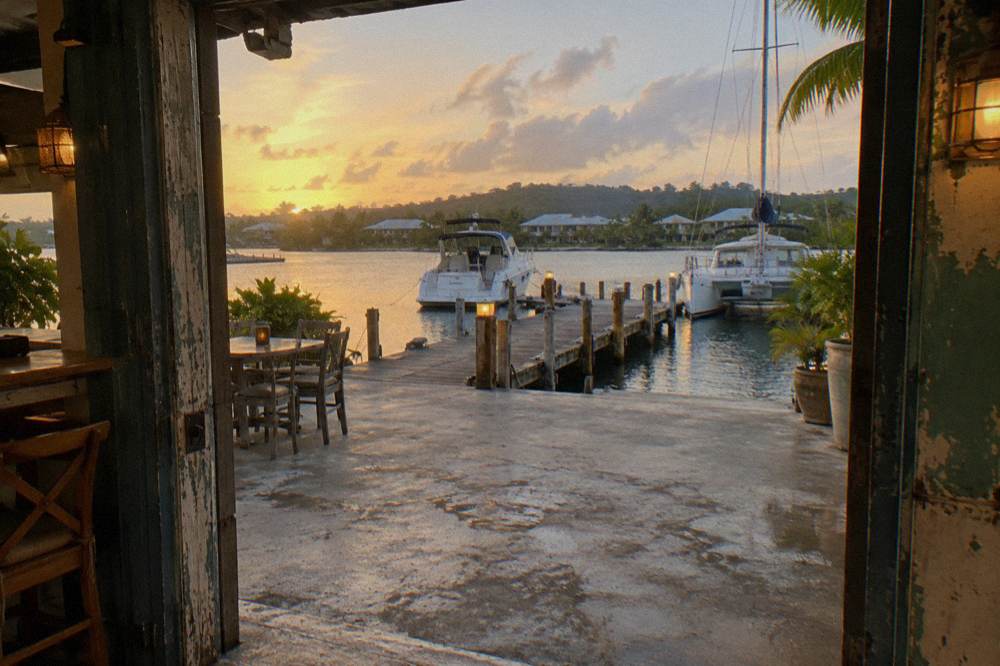
Is Swimming The Only Way To See The Glow?
No. The boat ride alone produces the effect, since the wake and propeller disturb the water continuously, and the glow is also visible from the vessel whenever the crew agitate the surface. Swimming is the most immersive version, but staying aboard still gives you the light trails, the science talk from the crew, and the nighttime lagoon scenery.
That distinction drives real booking decisions. Travelers who want the full-body experience, trails down their arms and legs, should pick listings that flag a swim, like the ones detailed above. Travelers who want the glow with dinner, a drink or a fire show folded in have those products too: the Glistening Waters restaurant at the marina operates daily, per the operator's site, and several listings build an evening around the dock rather than the water.
It is also worth being clear about what the swim is not. It is not a dive; the water is reported at about 3 to 8 feet. It is not a heated pool; it is a warm natural estuary. And it is not a photography session; between the no-flash rule and the limits of phone cameras in low light, most swimmers come back with memories rather than images. For those who want both, capturing the lagoon on camera explains what equipment stands a chance.
The science behind why motion matters, and why the organisms fire when they do, is documented in the operator's own scientific information page, published by Glistening Waters, and the original 1966 Johns Hopkins study of the bay is archived at the Journal of Marine Research. For trip logistics, tours, and the operator's own swim guidance, the operator's lagoon tour page is the primary source.
Common Questions About Swimming In The Luminous Lagoon
Can You Swim In The Luminous Lagoon?
Yes. Swimming is part of the standard nightly boat tour from Glistening Waters Marina, in warm, shallow water the operator reports at about 3 to 8 feet. Bring a dark swimsuit, towel and water shoes, and check that your chosen listing flags a swim if that is the part you want.
How Deep Is The Lagoon Where You Swim?
The operator reports about 3 to 8 feet, "or more" in places; a tourist-board-linked source gives about 3 to 4 feet with 8 feet at the deepest. Most adults can stand, life jackets are available, and the boat stays close by.
Is The Glow Visible Every Night?
The organisms are there nightly, but visibility varies. Dark, moonless nights after sunny days give the strongest contrast; full moons and heavy recent rain can dim the display. No listing guarantees an intensity.
What Should You Wear To Swim In The Lagoon?
A dark swimsuit, since the brackish water can stain lighter colors, plus water shoes for the soft, muddy floor and a towel for the changing rooms at the marina. Apply insect repellent before the tour, not immediately before entering the water.
Can Children And Non-Swimmers Enjoy The Tour?
Yes. The glow is visible from the boat in the wake and around the hull, tours are described as family-friendly with no strict age limits noted, and non-swimmers can stay aboard. Kid pricing and age policies vary, so check the listing.
Can Cruise Passengers Swim In The Lagoon On A Port Day?
Usually not. Most Falmouth cruise calls end mid-afternoon, before dark, while lagoon boats depart at and after sunset. Only a day-lit visit fits a typical call; check your ship's all-aboard time.