What Time Of Year Is Bioluminescence Best In Jamaica?
Month by month and moon by moon, when the Luminous Lagoon glows brightest, how dry season, rainfall and moon phase change the glow, and how to pick a date that fits the boat tours.
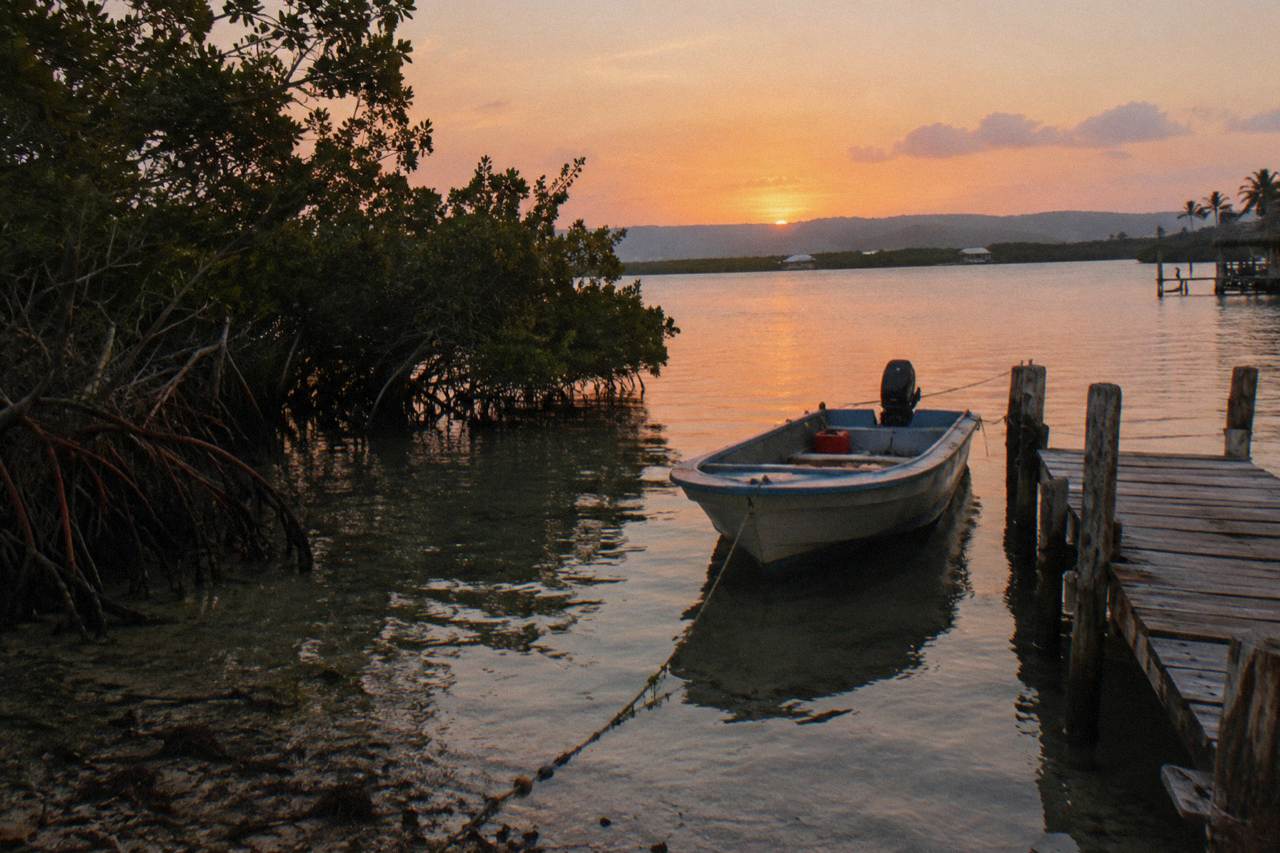
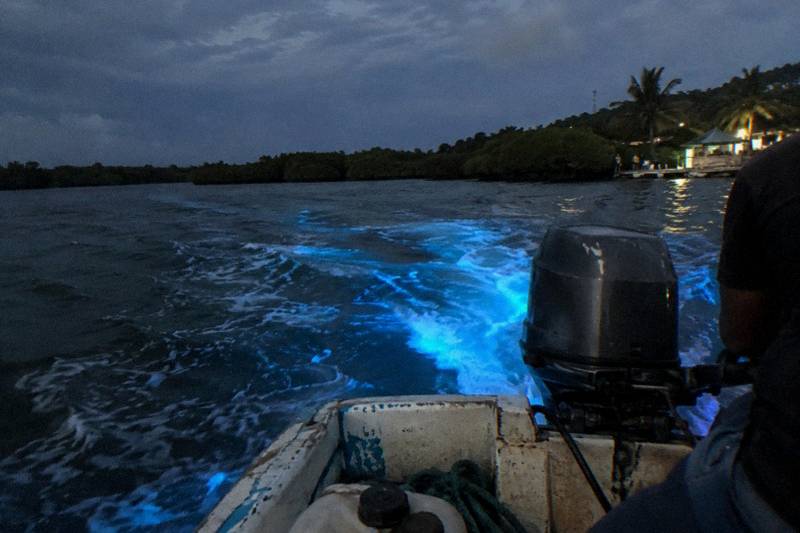
The Luminous Lagoon at Falmouth glows because the water is full of a dinoflagellate called Pyrodinium bahamense, and those organisms are present year round. Tours leave Glistening Waters Marina every night the weather allows. So the honest answer to timing is not "go in a certain month or miss it." The organisms emit blue-green light when disturbed by a boat wake, a paddle or a swimmer, and they do that in January as reliably as in July. What changes through the year is contrast: how dark the sky is, how diluted the water is after rain, and how warm and calm the evening is. Those three factors, not the calendar, decide whether your night is a faint sparkle or a trail of blue fire behind the boat.
The brightest conditions cluster in the dry season, roughly December through April, on nights close to a new moon. Operators report the glow is present every night but easiest to see when the sky is dark, the water is warm and calm, and there has been no heavy recent rain. Book within about three days either side of a new moon in dry season and you have stacked every factor in your favor.
That is the short version. The longer version is that two independent clocks are running at once. One is the seasonal clock: the Atlantic hurricane season runs June 1 to November 30, with a statistical peak in August through October, and that is when heavy rain is most likely to stir colder, fresher water into the lagoon and dim the display. The other is the lunar clock, which resets every month and matters more than any month. A full moon in February can give you a weaker show than a new moon in September, because moonlight washes out the contrast the glow depends on.
Guests often arrive expecting a seasonal spectacle, like whale watching or a flower season. The lagoon does not work that way. The organisms are resident, the brackish mix of Martha Brae River freshwater and Caribbean seawater that sustains them is permanent, and tour boats go out seven nights a week, weather permitting. The variable is your eyes. On a dark night the same water looks electric. On a bright one the glow is still there, visible in the boat wake and around swimmers, just harder to pick out from the deck.
For travelers who want the highest-odds night, the planning sequence is simple. Pick a dry season month, find the new moon date inside it, and book two or three nights around it. The most reviewed trip covering this run is the Mesmerizing Luminous Lagoon (Glistening Waters) Night Tour, from $100 per person, 4.5 from 101 reviews, with hotel pickup from Montego Bay hotels and free cancellation listed. Three Montego Bay options for date-planners sit below.
The Explore Montego Bay to Luminous Lagoon Night Tour, from $90 per person with a 4.5 rating from 78 reviews, includes hotel pickup in Montego Bay and a swim stop on the boat ride, which matters if you want to be in the water rather than above it. From the east side of the island, the Luminous lagoon Dark Night Tour from Ocho Rios and Runaway Bay Hotels runs from $79 per person, 4.5 from 75 reviews, with entrance included and pickup from those hotels.
Why The Moon Matters More Than The Month
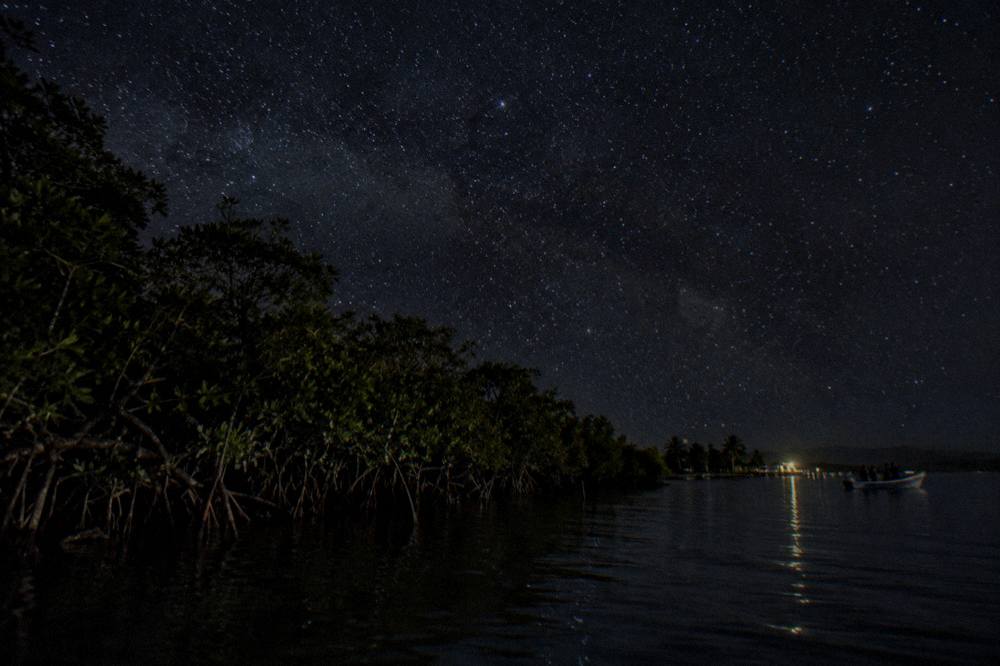
Moon phase is the single biggest visibility factor, and it cycles monthly rather than seasonally. On the nights within about three days of a new moon the sky is at its darkest and the glow shows strongest. Around a full moon the organisms still produce light, but moonlight reduces the contrast and the same display looks fainter from the boat.
The operator at Glistening Waters says it plainly: the lagoon lights up every night, and what changes is how dark the surroundings are. Tour descriptions and guest reviews agree. One reviewer on a private Montego Bay listing noted the moon was almost new on their night; another advised future guests to check the moon phase before booking. That is good advice, and it costs nothing to follow. A lunar calendar is the single most useful planning tool for this trip, ahead of any month-by-month ranking.
The reason is physics rather than biology. Pyrodinium bahamense emits light when mechanically disturbed, and the emission peaks in the blue part of the spectrum, around 476 nanometers, according to the Johns Hopkins study of the bay published in the Journal of Marine Research in 1966, which recorded densities as high as 200,000 cells per litre. That light is real on every night of the year. But human eyes adjust to the brightest thing in view. Add a full moon scattering light across the water and your night vision contracts, and a glow that reads as vivid against black water reads as subtle against silver. If bioluminescence is the whole point of your trip, pick your date from a moon calendar first and your month second.
There is a practical corollary. Because the moon resets every month, a "bad" month always contains one excellent window, and a "good" month always contains two weak weeks. Travelers locked into school holidays or a February wedding anniversary are not shut out; they simply need to check where the new moon falls inside their fixed window. Travelers with full flexibility should let the lunar calendar choose the week, then book a lagoon tour for the darkest two or three nights of it. Our moon phase planning page works through this in more detail: how the lunar cycle shapes lagoon glow.
One caution worth setting down honestly. No operator guarantees a glow intensity, and none of the listings covered here promise a refund specifically for a weak display. What most listings do state is free cancellation, typically up to 24 hours before departure, which covers a change of plan but not a disappointing night. The glow is a natural phenomenon, and the operators who run it nightly are candid that some nights outshine others.
Dry Season Versus Rainy Season
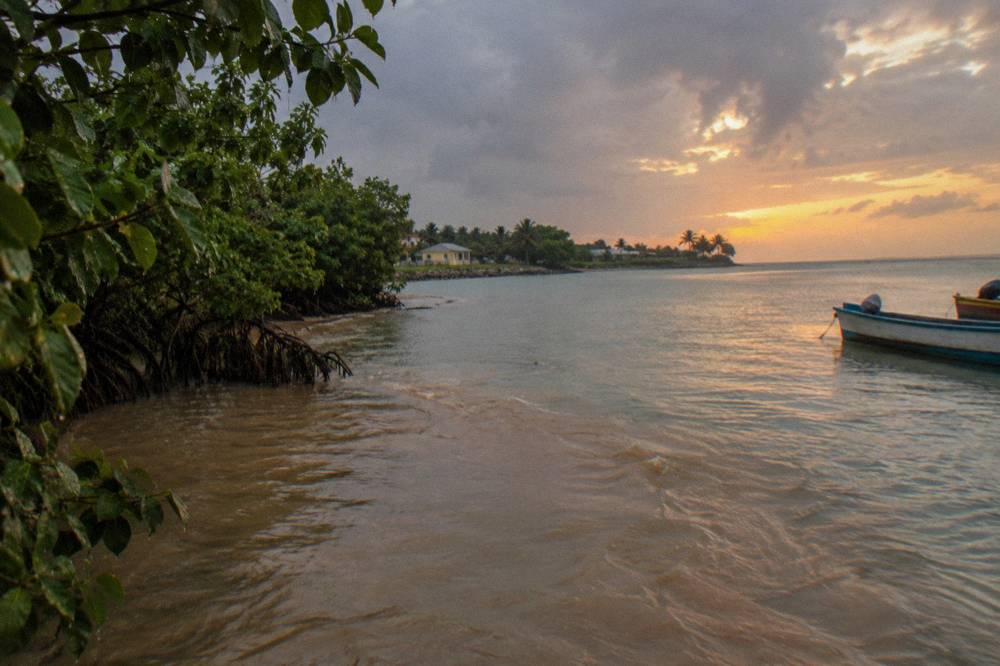
Dry season, roughly December through April, is when reports most often describe the brightest conditions, because skies are clearer and upstream rain is less frequent. Rainy season, May through November, still hosts tours every night, but heavy or recent rain can dilute the dinoflagellates and introduce colder water, which dims the display.
The seasonal logic is indirect. Nothing about December makes the organisms brighter. What dry season does is remove the two things that hurt visibility: fresh inflows and turbulent weather. The Martha Brae River feeds the lagoon, and after heavy rain upstream the river pushes larger volumes of cooler, fresher water into the estuary. The brackish mix the dinoflagellates favor gets diluted, and the glow softens until conditions settle. An overcast evening without rain can still deliver a good show, as long as the cloud cover is blocking moonlight rather than delivering it.
Here is how the two seasons stack up on the factors you can actually plan around:
| Factor | Dry season (Dec to Apr) | Rainy season (May to Nov) |
|---|---|---|
| Typical sky | Clearer, calmer evenings | More cloud, occasional storms |
| Rain effect on glow | Rain less frequent, so dilution less likely | Heavy or recent rain can dim the glow |
| Moon advantage | Still the deciding factor, dark skies help it | Dark, overcast nights can help contrast if no rain |
| Tour operations | Nightly, weather permitting | Nightly, weather permitting, storm cancellations possible |
| Overall odds | Reported brightest by most sources | Variable, best right after a dry, sunny spell |
The honest read on that table is that dry season improves your floor, not your ceiling. What dry season buys is consistency: a run of calm, clear evenings where the only variable left is the moon. If you are making one expensive, non-repeatable trip to Jamaica and bioluminescence is the headline, December through April around a new moon is the highest-probability play. If you are already coming in summer, the same lunar logic still gets you most of the way there.
For rainy season travelers, free cancellation matters more than format. The Bioluminescent Lagoon Boat Cruise with Transfers, from $69 per person, 3.9 from 89 reviews, runs round-trip transfers from the Montego Bay area with the boat ride included and swim listed, and it is a well-priced way to take the chance on an off-peak date.
What Time Of Year Is Bioluminescence In Jamaica?
Bioluminescence is present in Jamaica year round. The dinoflagellates that create the glow live permanently in the brackish lagoon where the Martha Brae River meets the sea, and boat tours run every night from Glistening Waters Marina, weather permitting. There is no month when the water does not glow and no month when it glows on demand. Visibility, not existence, is seasonal.
This distinction answers the question people are usually asking when they type the phrase into a search box. They want to know whether their chosen travel dates will work. The answer is yes, with two conditions: aim away from a full moon, and accept that rain can soften any night. A traveler visiting in July has the same organisms under the boat as a traveler in January. The July traveler faces slightly higher odds of a rain-affected evening and slightly higher heat, both manageable.
The year-round reliability has a practical benefit for itinerary planners: the lagoon can anchor any trip, in any season, without forcing the calendar. It pairs naturally with daytime Jamaica. The Dunn's River Falls & Luminous Lagoon Guided Tour from Montego Bay, from $190 per person, 4 from 42 reviews, runs the falls climb by day and the lagoon boat by night in a single nine-hour day. If you want the fuller picture of how dates, prices and formats compare, the compared tours guide lays the listings side by side.
Worth knowing too: the same warm, shallow water that makes the lagoon swimmable year round is part of why the population is stable. The operator reports depths of about 3 to 8 feet, warm water, and a mix of fresh and salt that the organisms thrive in, and guests are invited to bring swimwear and a towel because swimming is part of the standard tour. Neither the glow nor the swim is a seasonal special; both are on the menu every night. The swimming details are covered fully in can you swim in the lagoon.
Hurricane Season, Storms And Cancellations
Hurricane season runs June 1 to November 30 with a statistical peak from August to October, and a storm near Jamaica can cancel lagoon tours. No 2026-specific disruption to lagoon operations has been reported, and listings on the water typically state free cancellation, so a storm-affected booking is generally refundable even when the glow is not guaranteed.
The right frame here is risk management, not avoidance. Tours run nightly outside actual storms. The peak months carry the highest chance of a disrupted evening, and travelers booked then should keep one flexible night in reserve. The North Coast Highway that carries every Montego Bay departure to Falmouth has seen weather-related closures after heavy rainfall, which is a reminder that the drive, not the boat, is sometimes the fragile link.
Cancellation terms are per listing, and the listings covered here state free cancellation individually, so check the specific trip before assuming anything. The sunset departure time also shifts across the year, earlier in winter, later in summer, which matters for families with small children or anyone planning dinner afterward at the marina restaurant, which serves daily until 9 PM per its own site. A winter new-moon night puts you on the water early enough for a relaxed dinner after.
Matching Your Date To The Right Tour
Date and format should be chosen together: on a dark, dry season night every format works, while on a marginal night a listing that includes the swim gets you closest to the glow. Travelers from Ocho Rios, Runaway Bay, Negril and Grand Palladium all have listings built for their departure point, so the moon window can be planned from any base.
The reasoning is straightforward. On a strong night, everything works: a large shared tour, a private minivan, a sunset catamaran with an open bar. On a middling night, being on a listing that includes the swim gets you into the water, and being in the water is when the glow is at its most vivid, tracing your own limbs in blue. Swim-flagged listings are the ones to shortlist if intensity is the priority.
The geography helps. Falmouth sits roughly 30 minutes east of Montego Bay per the marina's own directions page, about an hour from Ocho Rios, and about two hours from Negril, so the same dark night is reachable from every major resort strip, just at different drive costs. From the east, the Private Tour from Ocho Rios Runaway Bay to the Luminous Lagoon, from $85 per person, 5 from 90 reviews, takes up to 15 guests with entry fee and bottled water included, and its review pool makes it the standout east-coast option.
Combination tours deserve a mention for date-planners, because they hedge. An Evening on the Lagoon: Martha Rafting, Luminous Lagoon and Falmouth Highlight, from $280 per person, 4.5 from 16 reviews, bundles a Martha Brae raft trip, a Falmouth highlight tour and the lagoon boat with lunch included. If the glow underperforms on a given night, the day's rafting still happened. The same logic applies to the Blue Hole and Secret Falls plus Luminous Lagoon Tour from $190 per person, a private combo with both entries included. Neither combo promises a glow intensity, but both fill the daylight hours regardless.
For readers comparing across all the formats and departure points, this site, Luminous Lagoon Jamaica Tour, collects the full set of listings and planning guides in one place, including the best time to go guide that extends the seasonal picture sketched here.
Pull it all together and the year looks like this: pick dry season if you can, pick the new moon window within whatever month you have, keep a backup night free in hurricane season, and shortlist swim-flagged or small-group tours if seeing the glow up close is the point of the trip. The water will do its part every night. Your job is to give it a dark sky to shine against.
Common Questions About Bioluminescence Timing In Jamaica
What Time Of Year Is Bioluminescence Best In Jamaica?
Dry season, roughly December through April, on the nights closest to a new moon. The organisms are present and glowing year round, but clear, calm, dark evenings give the strongest visible display.
What Time Of Year Is Bioluminescence In Jamaica?
Year round. The dinoflagellates live permanently in the lagoon where the Martha Brae River meets the sea, and boat tours run nightly from Glistening Waters Marina, weather permitting.
Does A Full Moon Ruin The Glow?
No, but it reduces contrast. The organisms still produce light around a full moon, and movement still creates trails, but moonlight makes the glow harder to see from the boat.
Can Rain Cancel Or Dim A Lagoon Tour?
Heavy or recent rain can dilute the organisms and dim the glow, and storms can cancel departures outright. Listed tours typically state free cancellation, so check your specific listing.
Is Bioluminescence Visible In Hurricane Season?
Often yes. Tours run through the season except in actual storms, and overcast, rain-free nights can even help by blocking moonlight. Keep a flexible backup evening if you travel between June and November.
What Time Do The Boats Leave?
Departures start around sunset, roughly 6:30 PM in winter and 7:15 PM in summer per operator descriptions, with the on-water portion typically 35 to 45 minutes.