Is The Luminous Lagoon In Jamaica Real?
Yes, the Luminous Lagoon in Jamaica is real. Here is the science behind the glow, why it varies nightly, and the tours that take you to see it.
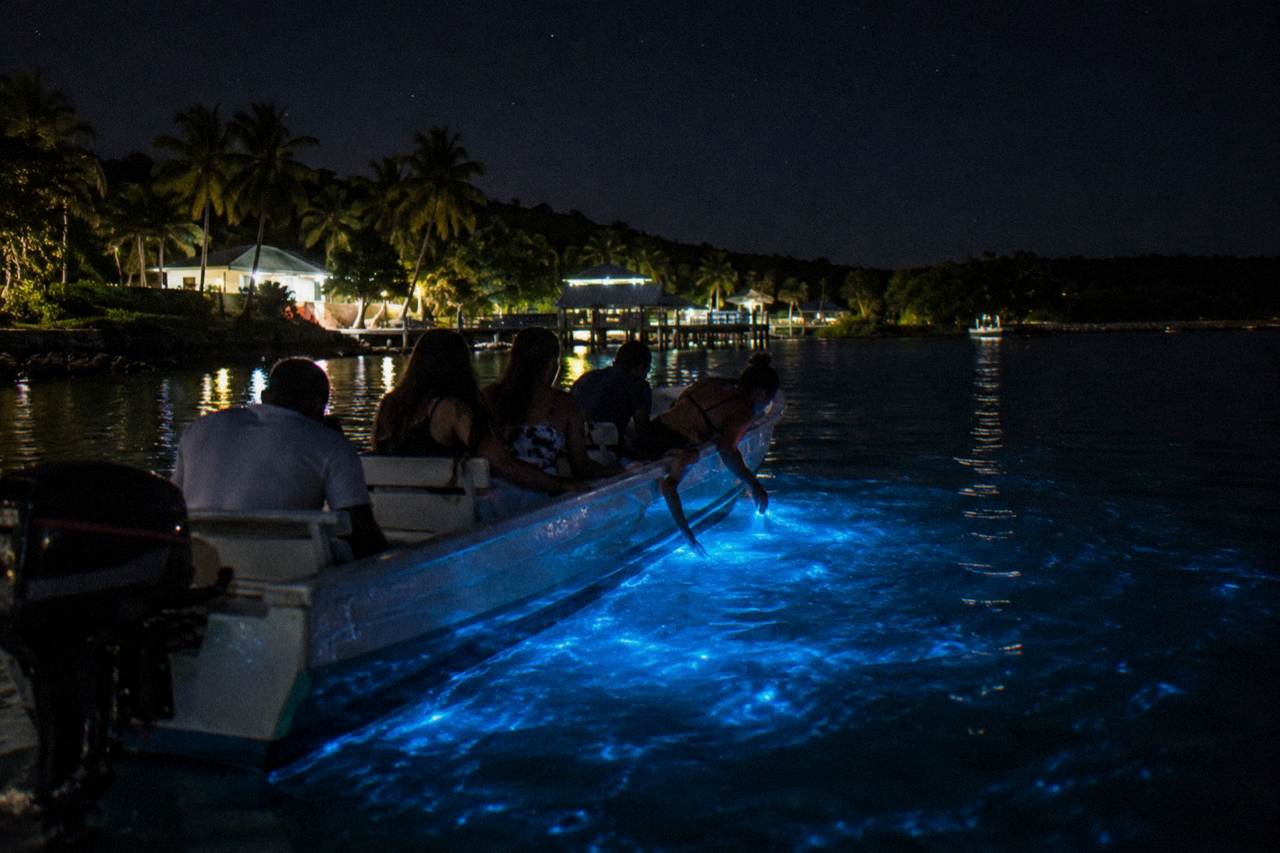
Yes, the Luminous Lagoon is completely real. The blue glow you may have seen in videos is produced by microscopic organisms called dinoflagellates that live in the brackish water where the Martha Brae River meets the Caribbean Sea near Falmouth. The effect is a documented natural phenomenon, not a light show, a filter, or a tourist trick, though its brightness genuinely varies from night to night.
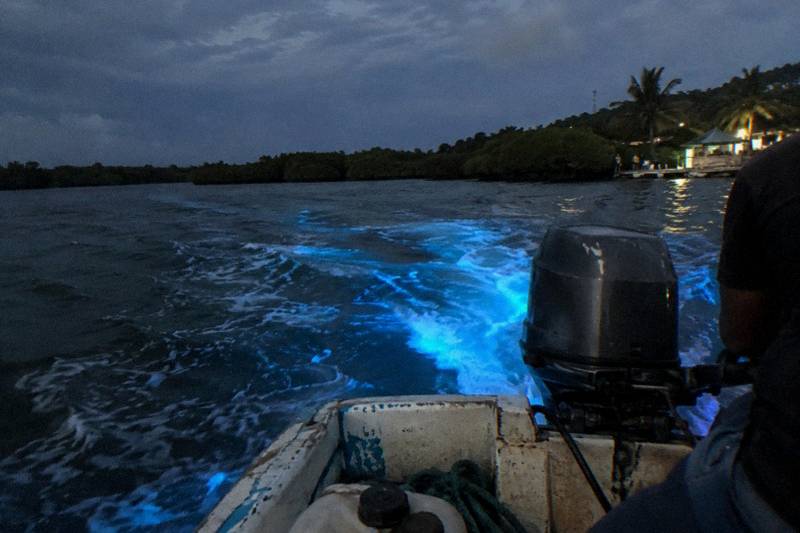
Skepticism is a reasonable first reaction. Short phone clips of water lighting up like a blue firework show circulate constantly, and most things that look too magical to be true turn out to be staged. The lagoon is the exception, and the reason is unglamorous: single-celled algae. When something disturbs the water, a boat propeller, a paddle, a swimmer's arm, these organisms emit a flash of blue-green light as a physical response to movement. Millions of them doing it at once is what you see from the boat.
The phenomenon sits in a lagoon that runs along the marshland from the fishing community of Rock to the town of Falmouth in Trelawny. The organisms thrive precisely where fresh river water and salt sea water mix, which is why this particular spot works and a random beach nearby does not. You can read the operator's own scientific summary of the mechanism on the Glistening Waters scientific information page, and the underlying species identification goes back to a peer-reviewed Johns Hopkins study of the bay published in the Journal of Marine Research in 1966.
The most reviewed way to check it yourself is the Mesmerizing Luminous Lagoon (Glistening Waters) Night Tour, from $100 per person, rated 4.5 from 101 reviews, with hotel pickup and drop-off from Montego Bay hotels included and a total listed duration of one hour. If you would rather compare a few options side by side before deciding, the table further down lines up seven listings by departure town, price and rating.
Plenty of visitors arrive as doubters and leave converted. The honest caveat is that strength varies. The organisms are there every night; what changes is how visible the light is against the sky and the water. Not one of the listings covered here promises a sighting. That restraint is itself a sign the attraction is real: operators who stage effects do not need to talk about moon phases.
What Actually Causes The Water To Glow?
The light comes from a dinoflagellate species called Pyrodinium bahamense, a microscopic organism that flashes blue-green light when the water around it is disturbed. A 1966 study measured densities as high as 200,000 cells per litre in the bay. When a boat wake or a swimmer agitates millions of them at once, the combined flashes form the glowing trails visitors see from the water.
The mechanism is bioluminescence, light made by a living organism, here underwater. The organism contains the light-producing chemistry in tiny structures inside the cell, and mechanical disturbance, anything from a wave to a hand moving through water, triggers the flash. The emission is blue because blue-green light travels furthest through water, which is also why the glow reads so vividly to the human eye at night.
Two conditions make this bay work. First, the water is brackish: the Martha Brae River empties into the sea here, and the mixing zone between fresh and salt water is where this species concentrates. Second, the lagoon is shallow and warm, with the operator reporting depths of about 3 to 8 feet, or more in places, conditions the organisms tolerate well. The species needs relatively high salinity and warm temperatures to dominate a bay, and the Falmouth estuary supplies both.
The scientific paper behind the cell-density figure is worth naming plainly because it answers the "is it real" question better than any video. A Johns Hopkins research team studied "a phosphorescent bay in Falmouth Harbor, Jamaica" and published their measurements in the Journal of Marine Research, volume 24, in 1966; the paper is archived and readable online. Tour operators did not invent this bay's reputation. Researchers were measuring it before mass tourism reached the north coast.
None of this requires you to trust a tour company's marketing. The species is the same one responsible for bioluminescent bays elsewhere in the region, and the genus is studied by marine laboratories for reasons that have nothing to do with visitors, including its role in shellfish toxicity in other waters. If you want the deeper version of the story, the guide on how the bioluminescence actually works walks through the chemistry step by step.
Why Does The Glow Change From Night To Night?
The organisms are present year-round, but visibility depends mainly on darkness: on nights near a new moon, with little ambient light, the glow shows strongly, while around a full moon the same organisms produce light that is harder to see against the bright water. Recent heavy rain can also dim the effect by diluting and cooling the water.
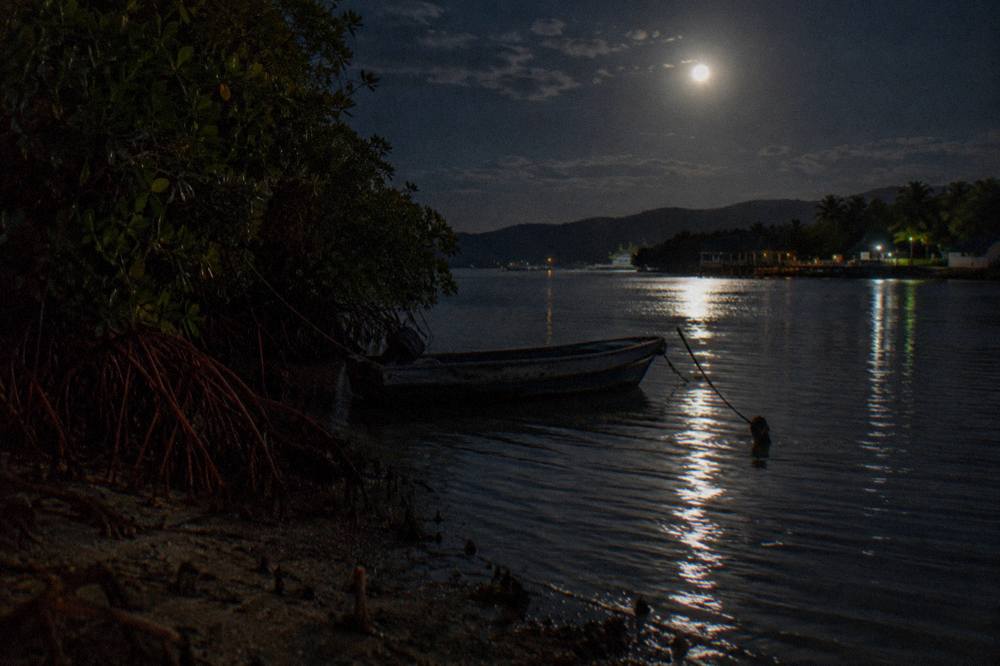
Moonlight is the single biggest factor, and it is purely a contrast problem rather than a biology problem. The organisms flash regardless; on a night with a bright moon, the moonlight reflecting off the water raises the background brightness, and the blue flash has less visual contrast to stand against. Around the new moon, and for roughly three days either side of it, the sky is at its darkest and the same flash reads dramatically. Reviewers on the lagoon listings say the same thing in their own words, with one guest on a private lagoon tour advising others to check the moon phase before booking.
Rain matters too. Heavy or recent upstream rainfall sends cooler, fresher water into the estuary and dilutes the dinoflagellate population, which weakens the display. The reverse also holds: warm, calm evenings after sunny days tend to produce the best shows, partly because the organisms recharge on a daily rhythm during daylight hours. Tours run seven nights a week, weather permitting, all year, so there is no season when the phenomenon switches off.
| Condition | Effect on the glow | What it means for planning |
|---|---|---|
| New moon, plus or minus 3 days | Darkest skies, strongest contrast | Best window for a visit if your dates are flexible |
| Full moon | Glow still produced but harder to see | Still worth going; manage expectations |
| Heavy or recent rain | Diluted and cooled water, dimmer effect | Consider shifting a night if a storm just passed |
| Warm calm evening after sun | Often stronger display | Good nights to pick when booking ahead |
| Dry season, December to April | Often brighter conditions per seasonal reporting | Popular window; book early |
Because tour times follow sunset rather than a fixed clock, and evening start times drift from roughly 6:30 PM in winter to about 7:15 PM in summer, most visitors simply book the night that fits their trip and accept the sky they get. The listings covered here run nightly departures from Glistening Waters Marina, with the on-water time typically 35 to 45 minutes plus an optional swim. If your travel dates are flexible, the moon phase planning guide helps you line up a dark night with your hotel stay.
The Jamaica Bioluminescent Lagoon Boat Cruise with Transfers, from $69 per person and rated 3.9 from 89 reviews, lists round-trip transfers from the Montego Bay area and a swim stop, making it a straightforward lower-priced option for a first visit. Its duration of 1.5 to 2 hours leaves room for the drive and the boat.
Can You Really Swim In It?
Yes, swimming in the lagoon is part of the standard operator tour, offered in shallow water reported at about 3 to 8 feet. Swimming is listed on several of the tours covered here, and life jackets are available. Non-swimmers and guests who prefer to stay aboard can do so; the boat ride itself passes through the glowing wake either way.
This is the detail that separates the lagoon from many other bioluminescent bays, and it is the part most skeptics find persuasive. Watching a video is one thing; floating in shallow, warm water while every movement of your arms draws a blue halo around you is another. Guests report that the effect around your own body is the most convincing element of the night, more so than the boat's wake.
Practical notes are straightforward. The operator tells guests to bring swimwear and a towel, and changing rooms are available at the marina. The lagoon floor is soft and muddy in places, so water shoes or rubber-soled waterproof footwear are a sensible addition. Dark swimwear is a common recommendation because the brackish water can stain lighter fabrics. If you want the full practical rundown, the site's what to wear and bring guide covers it in detail.
Which trips actually include the swim matters when booking, because not every listing flags it. The Luminous Lagoon "Glistening Waters" Tour from Grand Palladium Resorts lists a swim, as does the Explore Montego Bay to Luminous Lagoon night tour, from $90 per person with a 4.5 rating from 78 reviews, which includes hotel pickup in Montego Bay plus a boat ride with a swim. Where a listing does not state swimming, check the listing before assuming.
Could The Photos And Videos Be Faked?
Some of the most dramatic images online are enhanced or shot with professional low-light gear, and standard phone cameras often fail to capture the glow at all. That does not mean the phenomenon is fake; it means cameras and eyes handle dim blue light very differently. The real effect is generally softer than the brightest photos suggest and more convincing in person than on any screen.
This is where honesty matters most, so it is worth being blunt. A long-exposure photo taken on a good camera can accumulate light for seconds and produce an image far more vivid than anything your eye registers in real time. Phone cameras, which excel in daylight, struggle badly with a faint blue glow on dark water at night. The operator's own guidance is that flash photography is not allowed and a DSLR works best, and no tour promises a photographic result. Guests regularly report leaving with blurry, disappointing shots after a genuinely spectacular night on the water.
So the honest framing runs both ways. If a clip looks impossibly bright, it probably involved favorable conditions, a good sensor, or both. And if a friend's photos look dull, that tells you nothing about what they saw. The test that counts is standing on the boat. The glow around the hull, the trail behind the propeller, and the halo around a swimmer are all directly visible to the naked eye on a dark night, no screen involved.
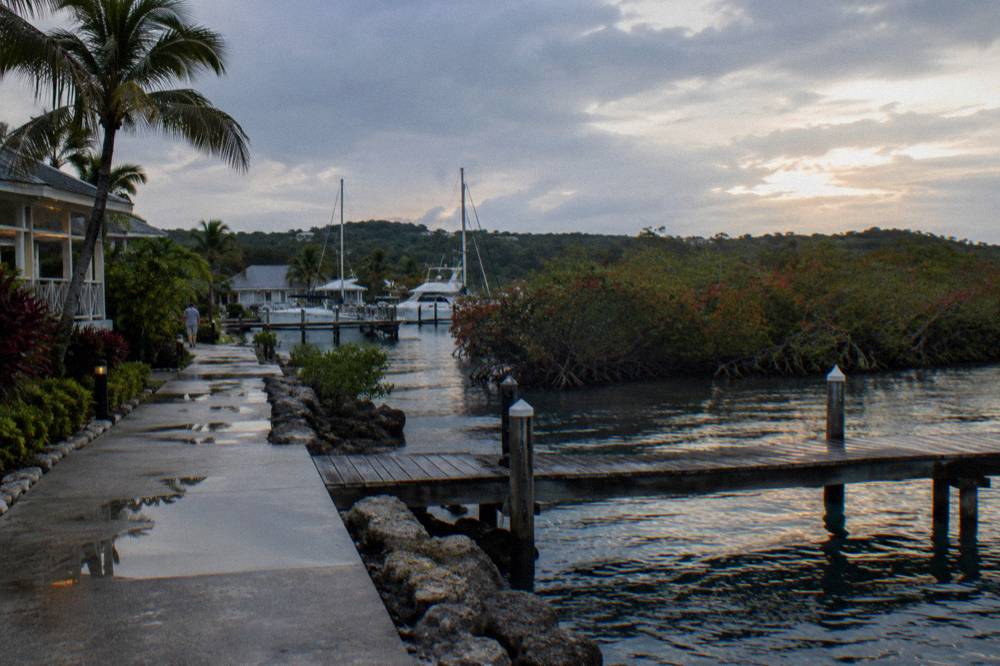
There is a second, quieter proof: the businesses around it. Glistening Waters Marina, Hotel and Attraction operates nightly boat tours with a fleet of four boats carrying up to 30 guests each, departing from a fixed location on the A1 highway at Rock, Falmouth. The restaurant operates daily and the cocktail bar stays open into the evening. Attractions built on illusions do not sustain decades of nightly departures, a research literature, and a hotel. The site's Glistening Waters marina and restaurant guide covers the on-site practicalities if you are planning around a visit.
How Do You See It For Yourself?
Book a lagoon boat tour from your departure area: Montego Bay hotels, Falmouth, Ocho Rios and Runaway Bay, or Negril. The featured night tour from Montego Bay runs from $100 per person with hotel pickup, and options range from a $55 private-format departure to a $320 yacht cruise with lunch from Falmouth. All list free cancellation on their pages.
Departure area is the main decision, because the drive to Falmouth varies a lot. Montego Bay is closest, roughly 30 minutes east per the marina, with the airport run commonly quoted at 30 to 40 minutes. Ocho Rios is roughly an hour, and Negril about two hours by one available source, which is why the Negril departure listing, from $180 per person for a six-hour round trip, is priced accordingly.
| Tour | Departs | From (per person) | Duration | Rating |
|---|---|---|---|---|
| Mesmerizing Luminous Lagoon Night Tour | Montego Bay hotels | $100 | 1 hour | 4.5 from 101 reviews |
| Bioluminescent Lagoon Boat Cruise with Transfers | Montego Bay area | $69 | 1.5 to 2 hours | 3.9 from 89 reviews |
| Luminous Lagoon Dark Night Tour | Ocho Rios and Runaway Bay hotels | $79 | 3 hours | 4.5 from 75 reviews |
| Private Tour from Ocho Rios Runaway Bay | Ocho Rios and Runaway Bay hotels | $85 | 2 hours | 5 from 90 reviews |
| From Montego Bay: Luminous Lagoon Boat Tour with Transfer | Montego Bay hotels | $61.57 | 3 hours | 3.8 from 16 reviews |
| Big Deal Tours Luminous Lagoon Boat Tour and Swim | Montego Bay | $55 | 2 hours | 14 reviews so far |
| Falmouth: Yacht Cruise to Luminous Lagoon with Lunch | Falmouth hotels and resorts (hotel pickup) | $320 | 4 hours | New listing, no reviews yet |
The private option deserves a special word for skeptics, because a private format lets you linger and ask questions. The Private Tour from Ocho Rios Runaway Bay to the Luminous Lagoon, from $85 per person, is rated 5 from 90 reviews, includes the entry fee, bottled water, and hotel pickup, and carries up to 15 guests, small enough that the guide's commentary stays personal.
Combos suit travelers who want the lagoon plus a full day. The Dunn's River Falls & Luminous Lagoon Guided Tour from Montego Bay, from $190 per person over nine hours with a 4 rating from 42 reviews, pairs the falls with the night boat, with admissions included and lunch available to purchase. An Evening on the Lagoon, from $280 per person, adds Martha Brae rafting, lunch, and a Falmouth highlight tour in a six-hour package rated 4.5 from 16 reviews.
One planning rule for Luminous Lagoon Jamaica Tour readers booking any of these: read the listing's own inclusions before you book, because similar names hide different products. Some listings include the entry fee, others do not; some include drinks or a welcome drink; several explicitly exclude dinner. The 12 Montego Bay departures, the six Falmouth, Negril and Hanover options, and the Ocho Rios and Runaway Bay trips are separate products with separate terms.
When Is The Best Time To Go?
Tours run year-round, seven nights a week, weather permitting, departing around sunset. The strongest conditions cluster in the dry season, December to April, and on nights within about three days of a new moon. Hurricane season, June through November, carries some risk of weather disruption, but tours generally operate unless a storm is actually passing.
The seasonal picture is simple enough to plan around. The dry months bring calmer, clearer evenings and, per seasonal reporting, often brighter conditions. The rainy season, roughly May to November, does not switch the phenomenon off; overcast nights can still show the sparkle well, and the main risks are heavy-rain nights that dilute the estuary and the small chance a passing storm suspends operations. No 2026-specific disruptions to the lagoon itself have been reported.
If your dates are locked to a bright-moon week, go anyway. Movement still creates visible trails even on lighter nights, and the swim is the same experience; you simply trade maximum drama for a softer show. If your dates are flexible, even by two or three days, shifting toward the dark of the moon is the single highest-value planning move available, and it costs nothing.
The From Montego Bay: Luminous Lagoon Nighttime Boat Tour, from $123.41 per person over three hours with hotel pickup, drop-off, and entry tickets to Glistening Waters included, is one more Montego Bay option to check for the night you land on; it lists a swim and a complimentary drink, though its review pool is still small at 8 reviews.
Common Questions About The Luminous Lagoon
Is The Luminous Lagoon In Jamaica Real?
Yes. The glow is a natural phenomenon produced by dinoflagellates in the brackish water where the Martha Brae River meets the sea near Falmouth, documented by a 1966 peer-reviewed study. Boats run nightly and swimming is part of the standard tour. Brightness varies with moonlight and recent rain, so pick a dark night if you can.
Can You See The Glow With The Naked Eye?
Yes. The glow around the boat's wake and around swimmers is directly visible on the water at night. Cameras capture it poorly, especially phones, which is why online photos range from stunning to dull while the in-person experience is consistent.
Does The Lagoon Glow Every Night?
The organisms are present year-round and produce light when disturbed every night. What changes is visibility: near a full moon or after heavy rain the effect is harder to see. Tours run nightly, weather permitting.
Is Swimming Allowed In The Lagoon?
Swimming is part of the standard operator tour and is listed on many of the tours covered here. The water is shallow, reported at about 3 to 8 feet, and life jackets are available. Bring swimwear and a towel as the operator advises.
Where Does The Lagoon Get Its Glow From?
A dinoflagellate species, Pyrodinium bahamense, measured at densities as high as 200,000 cells per litre in a 1966 study. Each cell flashes blue-green light when the water around it is disturbed by a boat, a paddle, or a swimmer.